Peak Design Cuff and defective Anchor Links

Can a cord that makes a matchstick look thick support a large camera with a huge lens and battery grip—and its owner? Anchor Link is one of Peak Design’s coolest inventions, while also being one of its simplest and cheapest. These small discs on cords can be attached to all kinds of things and then connected, for example, to a Messenger bag, a Peak Design Cuff worn around the wrist, or the dedicated clips included in the set. It’s a simple way to stop something from falling. I use a PD Cuff myself, and I have Anchor Links attached to all sorts of things—from a full-frame camera and a compact one-inch camera to the tiny tripod I mount it on. I even have one Anchor Link on my apartment keys.
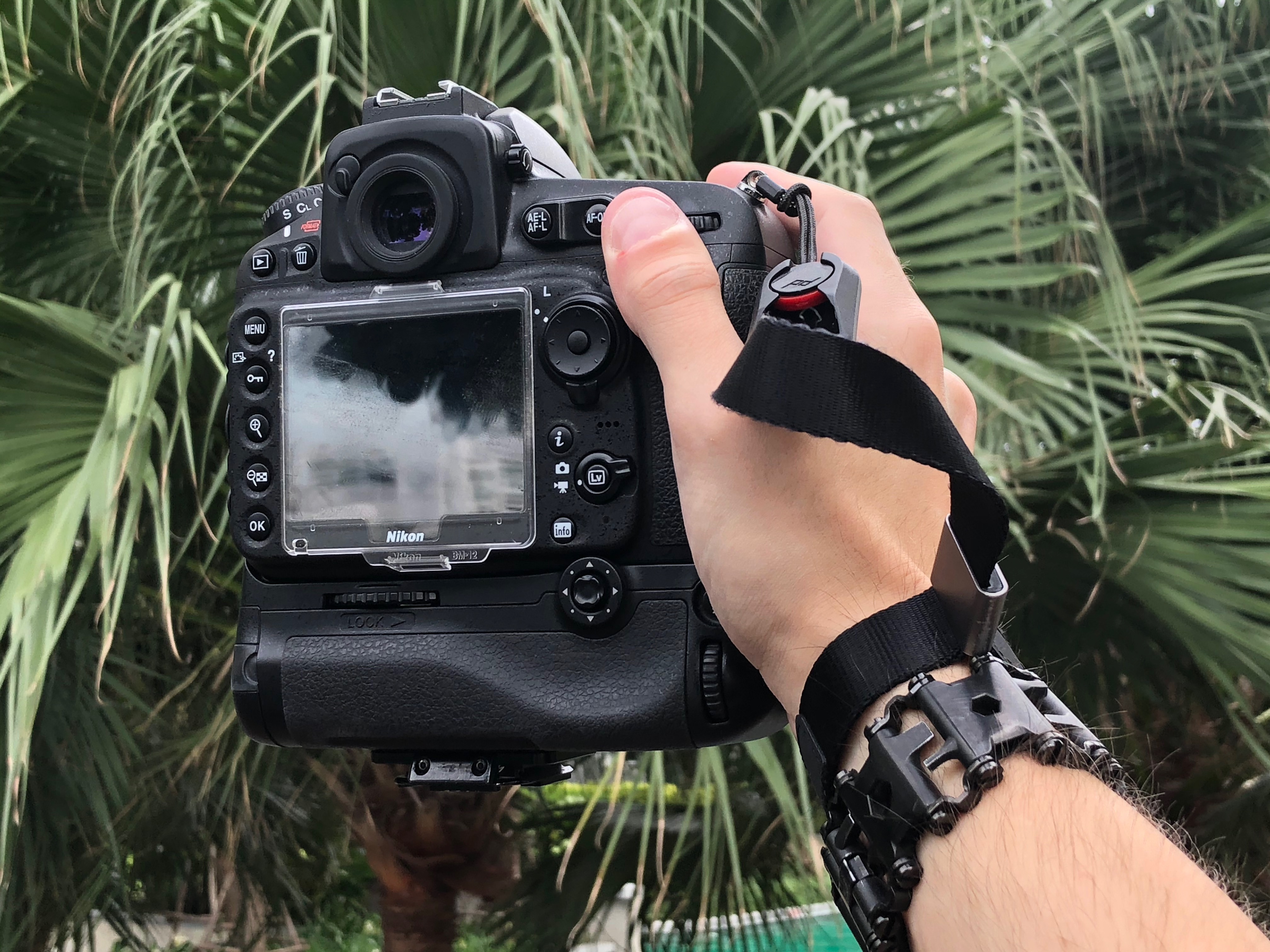
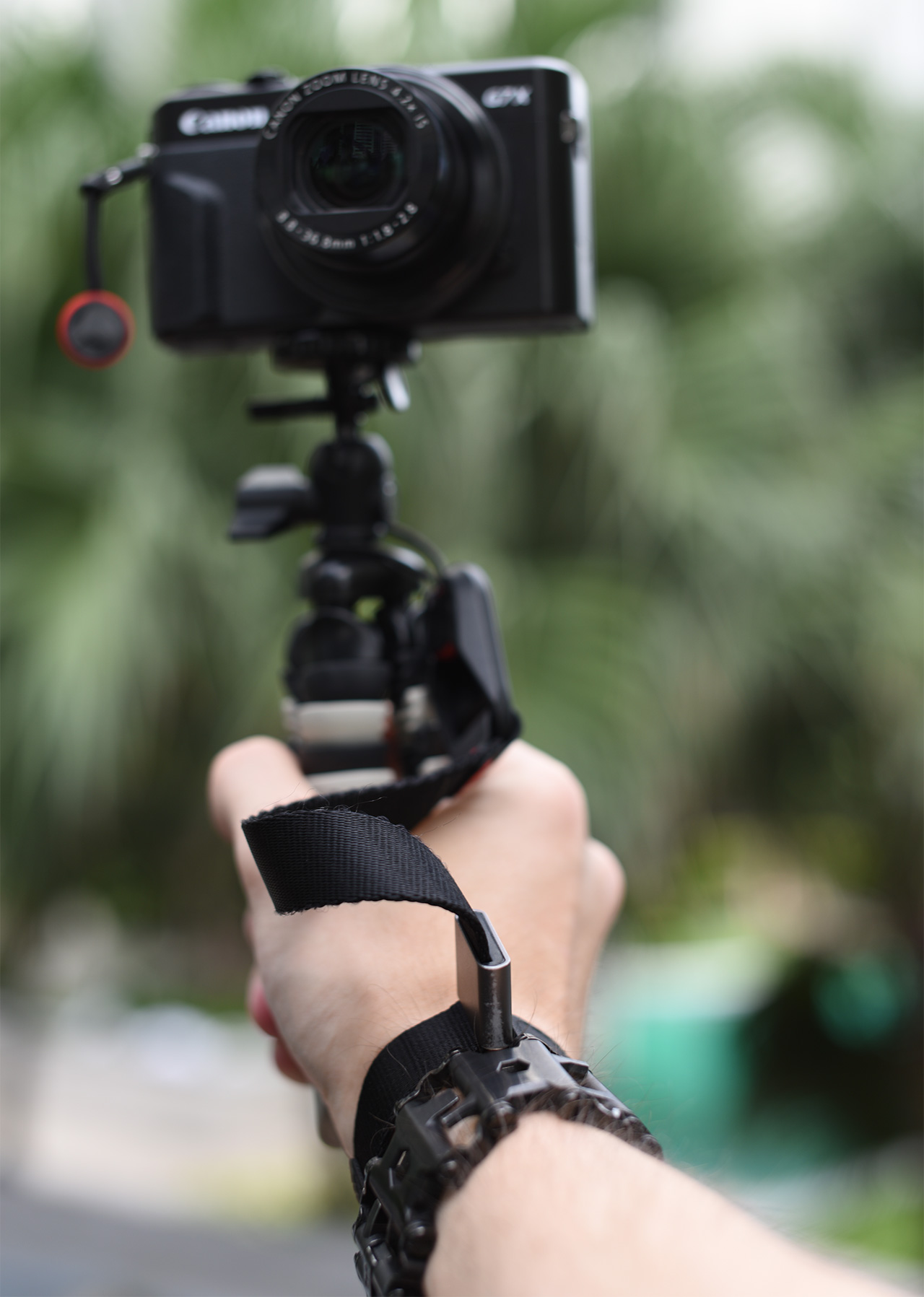
Anchor Link may look like an ordinary quick-release connector, but it can secure even very serious cameras because its rated load is 90 kg. A full-frame body with a 70–200 mm lens doesn’t trouble it at all, let alone my 135 mm. There are also videos online in which people test whether that 90 kg rating is nonsense. Spoiler alert: that weight is no problem for Anchor Links. Unless…
Defective Anchor Links?
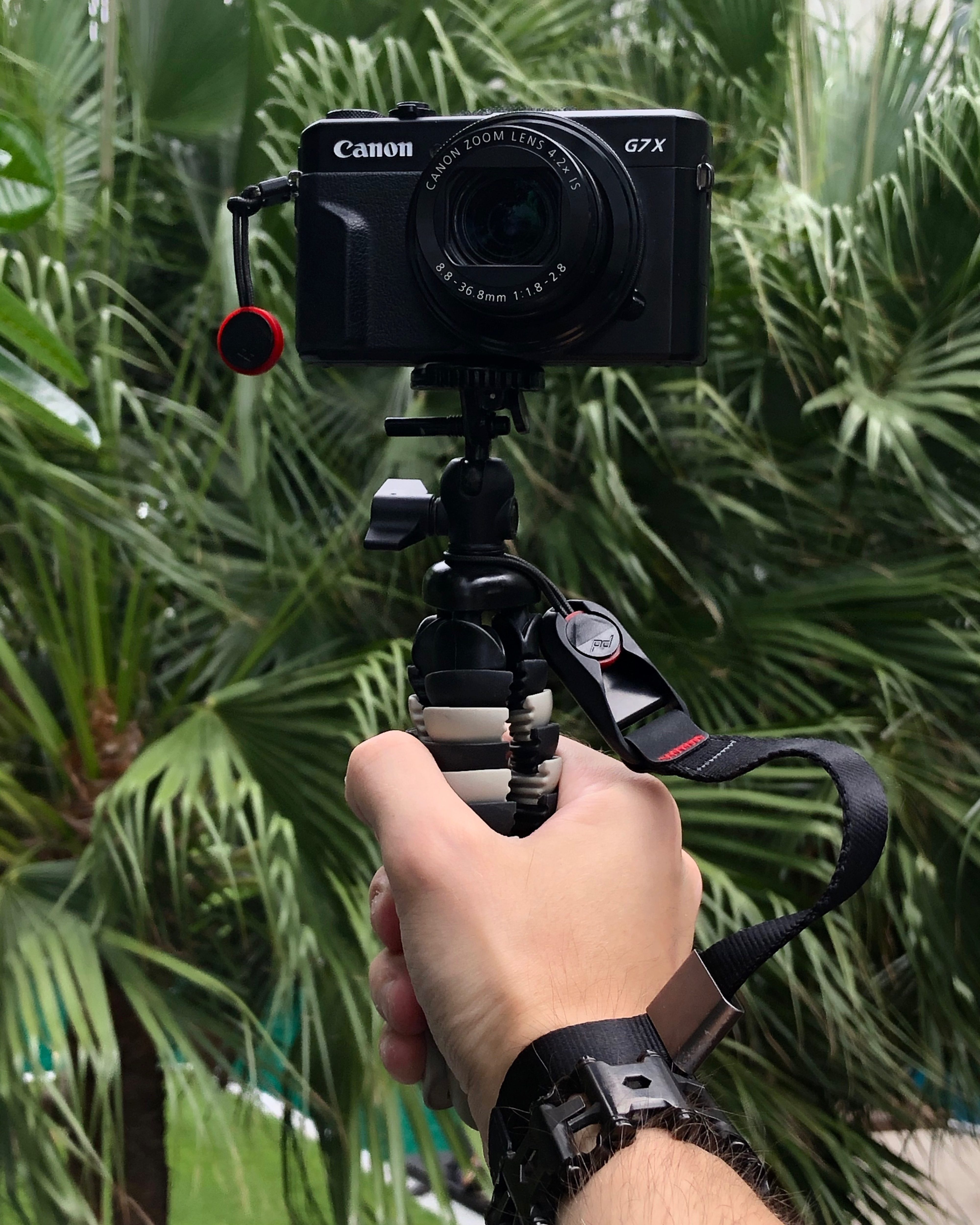
Some time ago, I posted this photo to my Instagram Story:
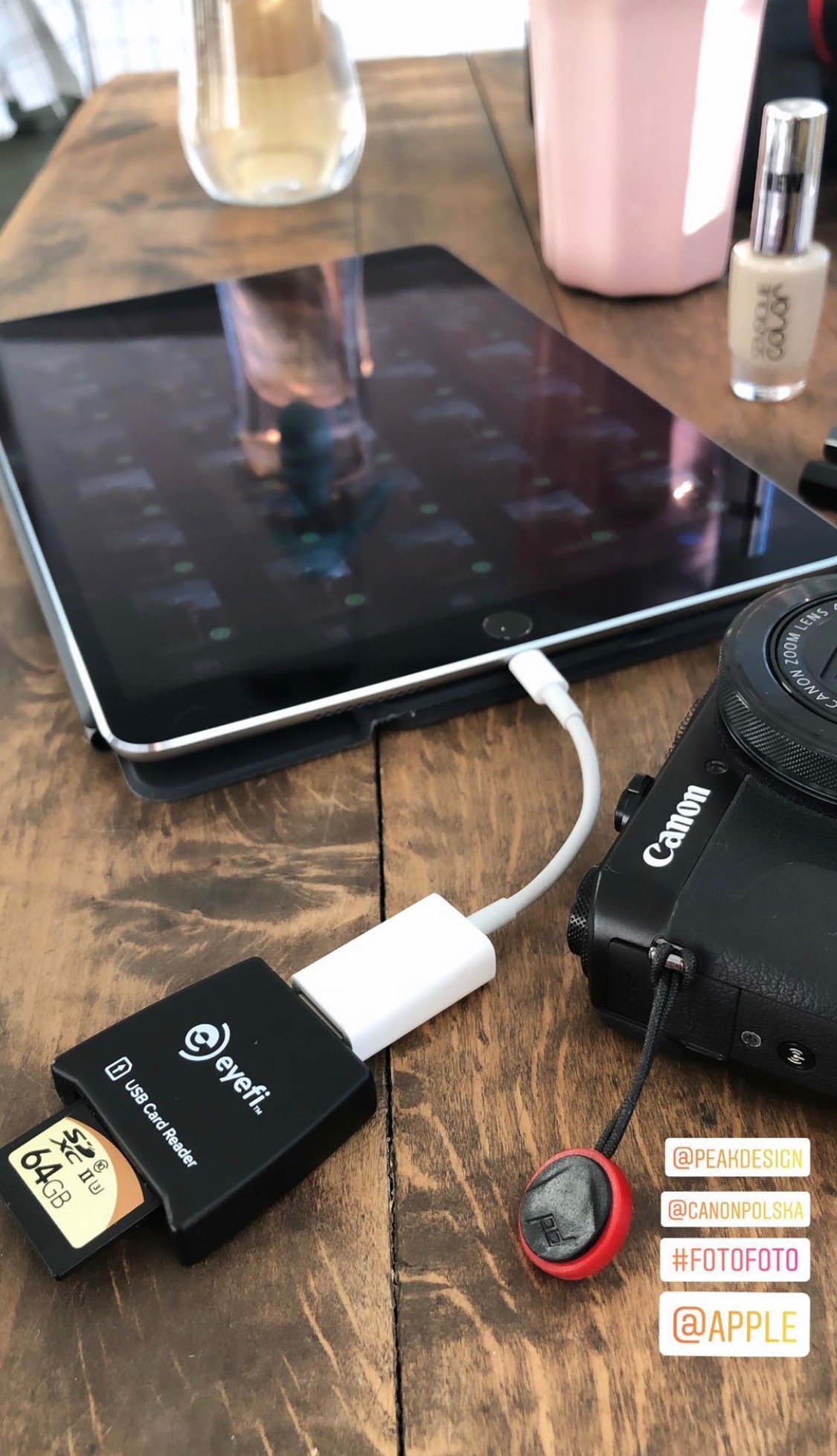
The black disc with the red edge is the Anchor Link. Shortly after I posted the story, someone from Peak Design’s official account contacted me to say that it looked as though I was using version 3 Anchor Links rather than the latest v4. They asked for an address where they could send me the fourth revision for free. My first thought was that some fake account was trying to phish me, but it wasn’t. PD really had offered me the new model on its own. I’ve written before that Peak Design has the best customer service I’ve ever encountered, but inspecting photos posted online and proactively offering a replacement is another level entirely…
It turned out that version 3 used thinner cords, and seven out of more than a million units sold failed under load. Not great. If I were holding a camera worth tens of thousands of zlotys and it smashed against the floor because an Anchor Link failed, I’d be extremely angry. PD therefore created the fourth revision, which can withstand virtually anything just like v1 and v2, and placed v3 owners in a replacement program. That’s how I finally used Peak Design’s service because of an actual product defect rather than through any fault of my own. All I had to do was complete a short form and attach a photo showing every Anchor Link I owned. The envelope from Peak Design arrived from abroad roughly three weeks after I provided my address.
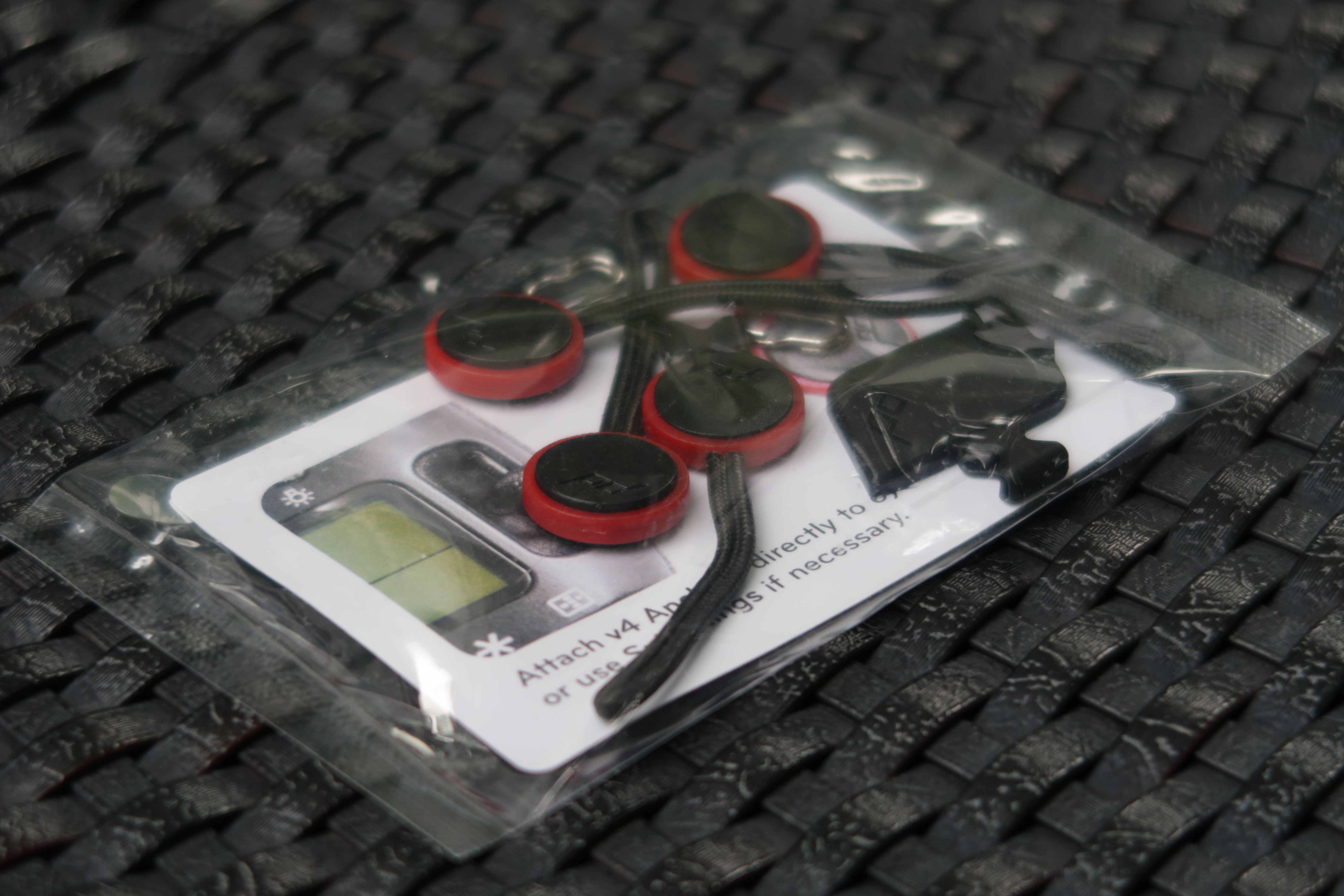
The v3 cords were thinner, so they fit directly through even very small mounting points. The new ones require an additional adapter. A pack of four Anchors contains two adapters and a piece of plastic that makes installation easier. Why only two? I have no idea. Despite owning five v3 Anchors, however, I received eight v4s—two sets of four, giving me eight Anchor Links and four adapters for the smallest devices. If I’d owned no more than four, I probably would have received four replacements, because that’s how many come in one pack.
After I began replacing the old Anchors with new ones, I realized that not all of mine were v3. I had only two of that version. The others were older, so I didn’t need to replace every one.
Peak Design Cuff
Since I’m discussing it anyway, I’ll say a little more about the wrist strap. Unlike my Leatherman, I don’t wear the Peak Design almost all the time—only when I know for certain that I’ll be using a camera. It therefore spends a fair amount of time on a shelf or in a bag. The Cuff’s design isn’t bad, but I think there’s still plenty of room for improvement.
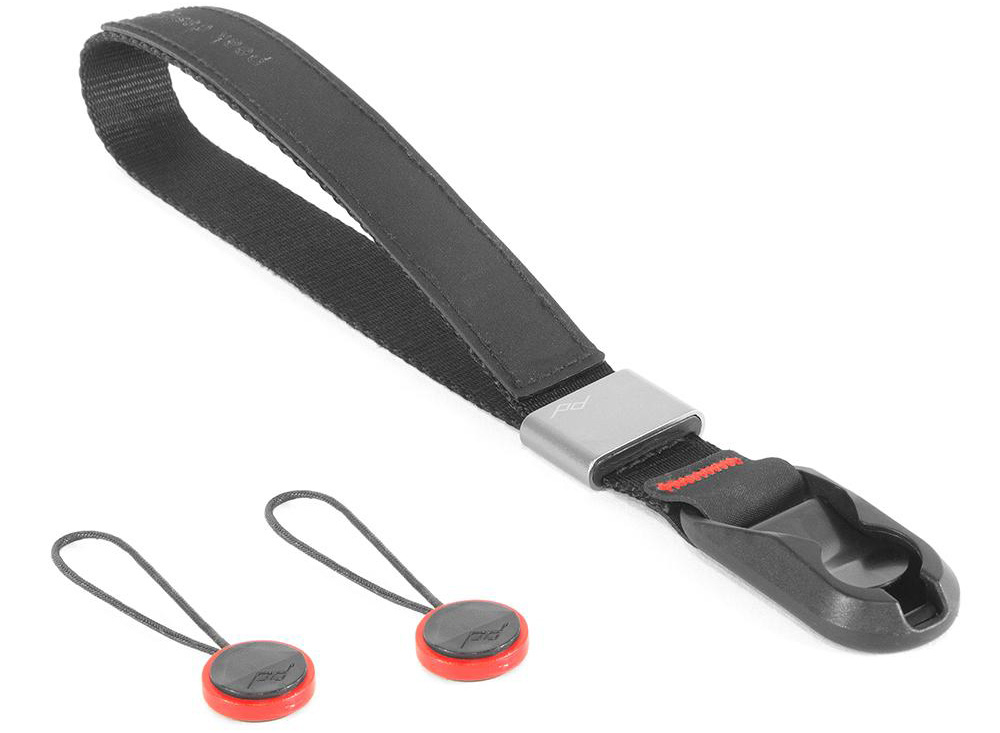
I almost never used normal camera straps. When I sold my older DSLRs, their new owners received the original straps from me unused and still factory-wrapped. I used much more convenient solutions, and for about a year I’ve used only the Peak Design Cuff mentioned above. Wrapped around the wrist, it holds itself in place magnetically. When nothing is attached to it, you can wrap it around your wrist with a quick flick of the hand. I do this often, although my success rate isn’t 100% and I sometimes have to help it with my other hand.

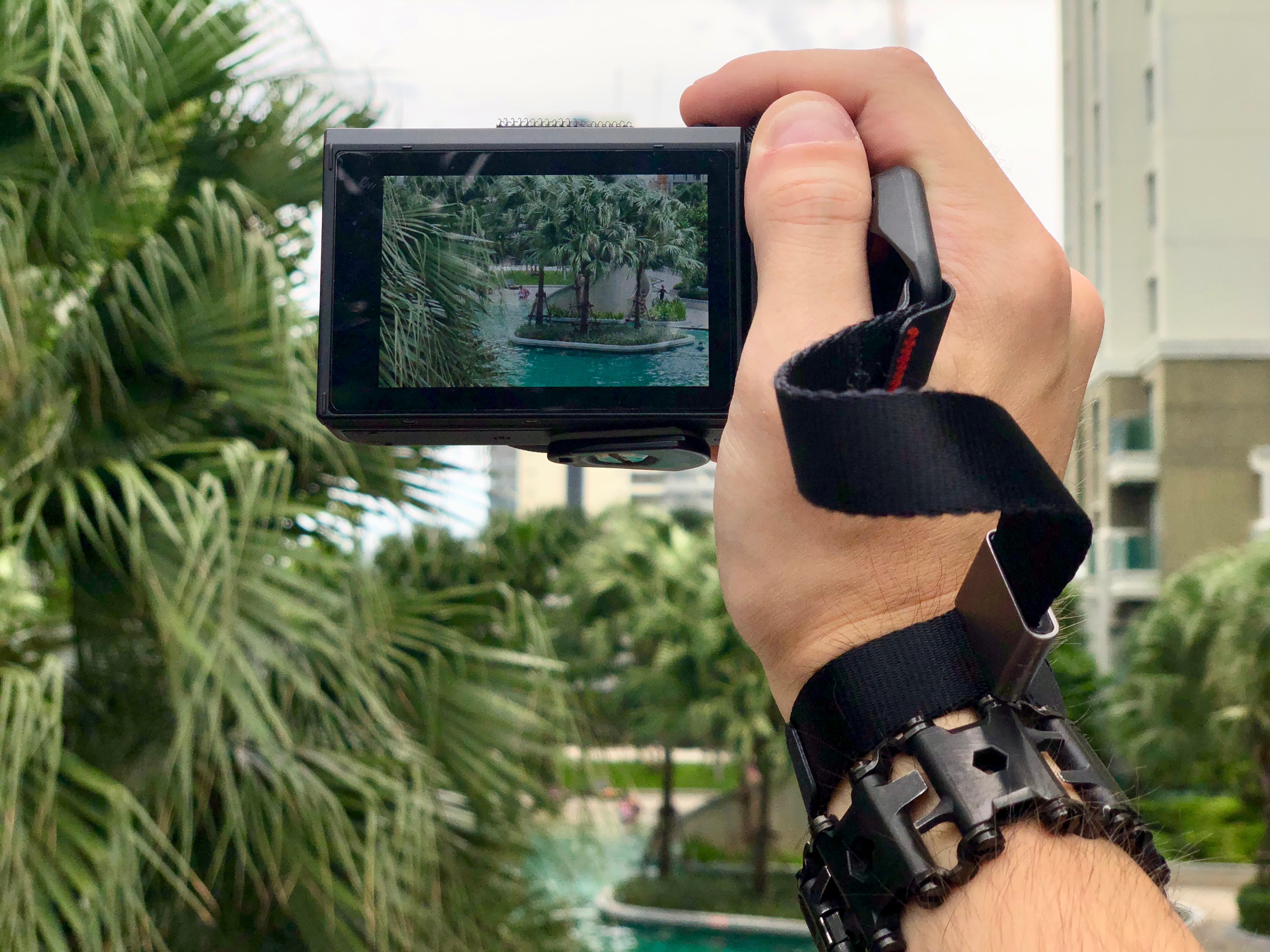
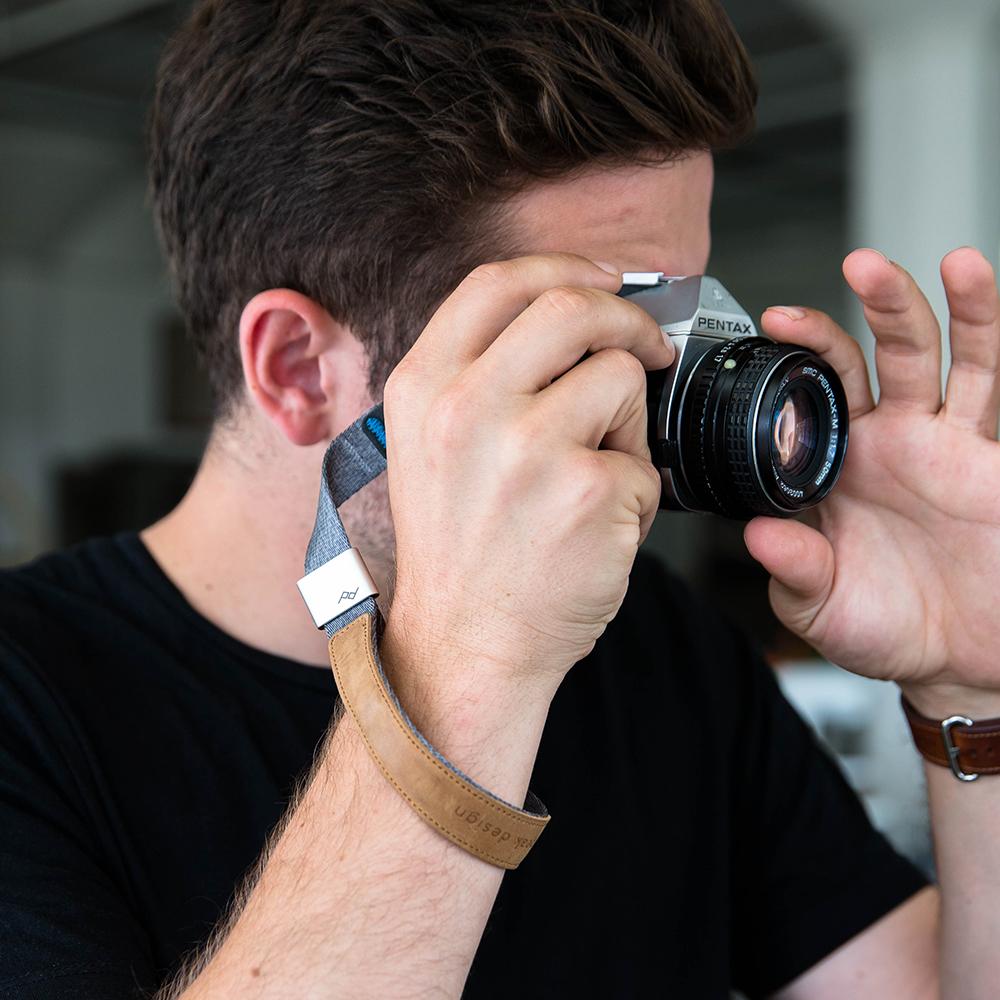
The first revision was different, but v2 and v3 share the same mount and design. I think the only difference is that v3 includes the improved Anchor Links. The length is just right: there’s no unnecessary strap getting in the way, yet it’s long enough to hold a camera—or whatever happens to be attached—comfortably. Like Anchor Link, the Cuff has a 90 kg load rating, although my arm certainly doesn’t. As with everything from Peak Design, the warranty is lifetime. Mine is black, but a gray version is also available:
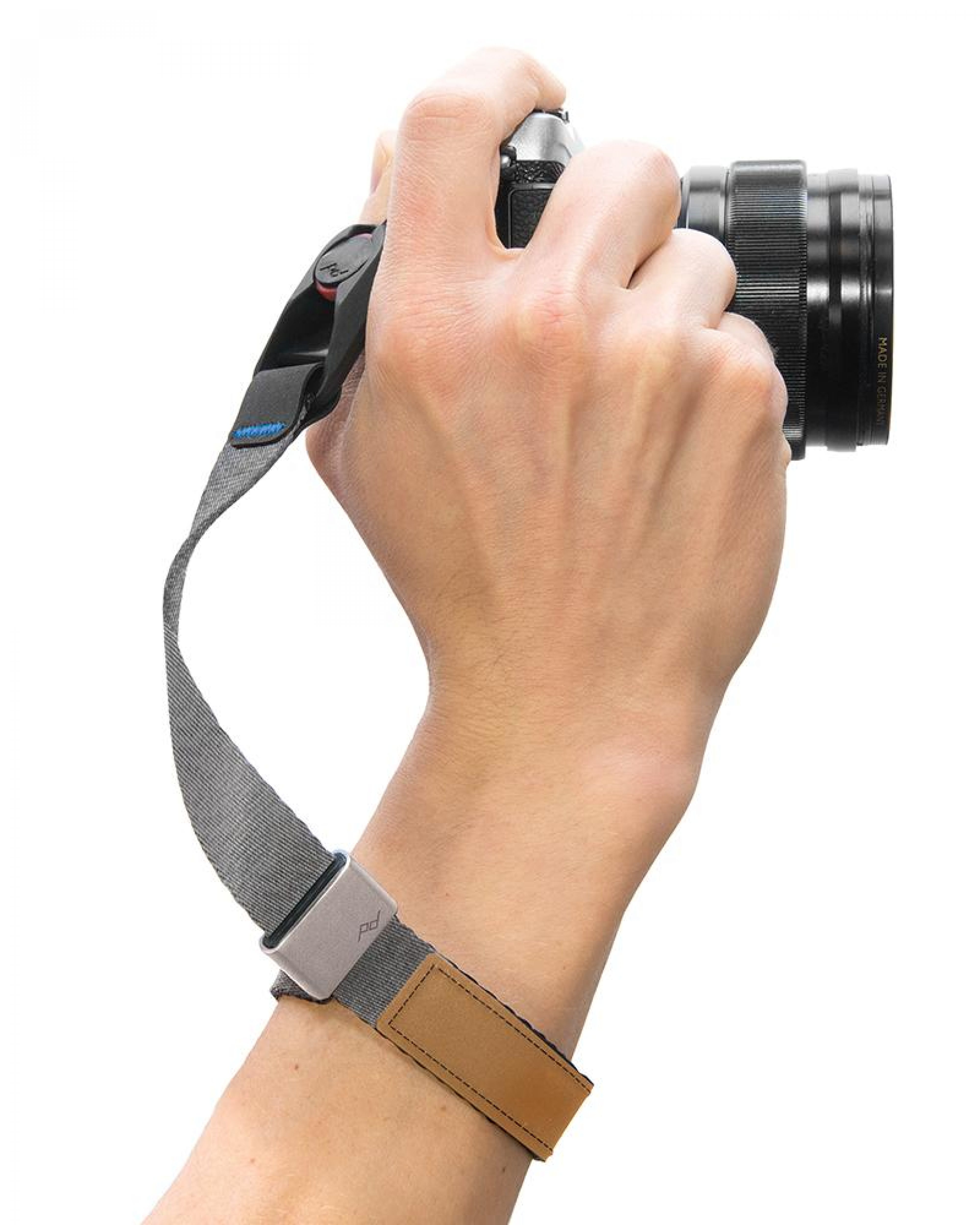
I scratched the metal part with the bracelet I always wear on the same wrist. I can’t imagine anything surviving contact with that bracelet without getting scratched, though, so I wouldn’t worry about it.
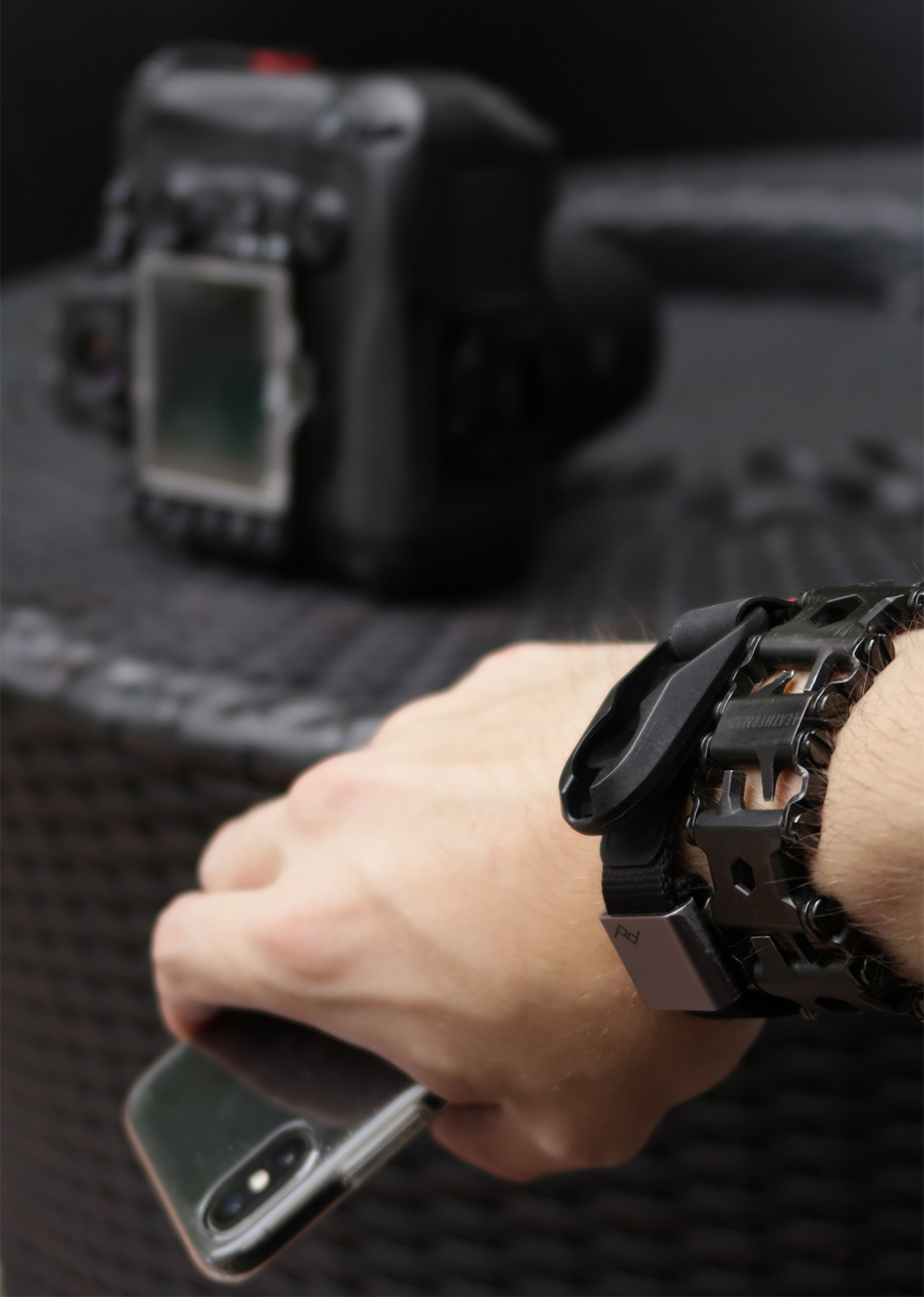
Would I buy it again? Yes. In the studio, I still almost never attach the camera to it, but outdoors I always do, and the PD Cuff works brilliantly.
This post was not part of any collaboration.