Paulina and Ola — Rim Lighting

Two different shoots, different crews, different models, but a similar idea: photos with rim lighting that’s much more visible than usual.
A rim light sits behind the model and lights her in a way that "outlines" her. Normally, with the key light in front, the face would be brighter in the center and darker around the edges. Rim lighting can even that out (a bad idea) or reverse it (better). The result is brighter edges around the subject. CKM and similar magazines love strong rim lighting.
Rim light doesn’t have to hit the entire person being photographed. It can light only the hair or torso, for example, but not the legs. It all depends on the effect we want. Using rim lighting often makes the subject look more three-dimensional and separates her more clearly from the background. A perfect example would be a model dressed in black against a black background: she would blend into it, the edges of her clothes wouldn’t be visible, and that could ruin the photo. Rim lighting would completely change that shot. The model would be outlined with light, making her figure perfectly visible.
It’s also common to use rim light only on the hair. If we position it at the right height, it can double as a hair light, revealing detail in the hairstyle and giving it shine.
First Shoot
In December, I did one shoot after another with Vanessa Gabriela Zalewska, who handled makeup, styling, and logistics. I actually still have some photos from that period that I haven’t touched yet.
Paulina Slodkowska modeled for us. This was the last shoot in the entire series. It also turned out that we had to do it in very little time, so we didn’t overcomplicate things. Still, I decided that the lighting I usually use didn’t suit this styling, so I did it a little differently. This was the result:
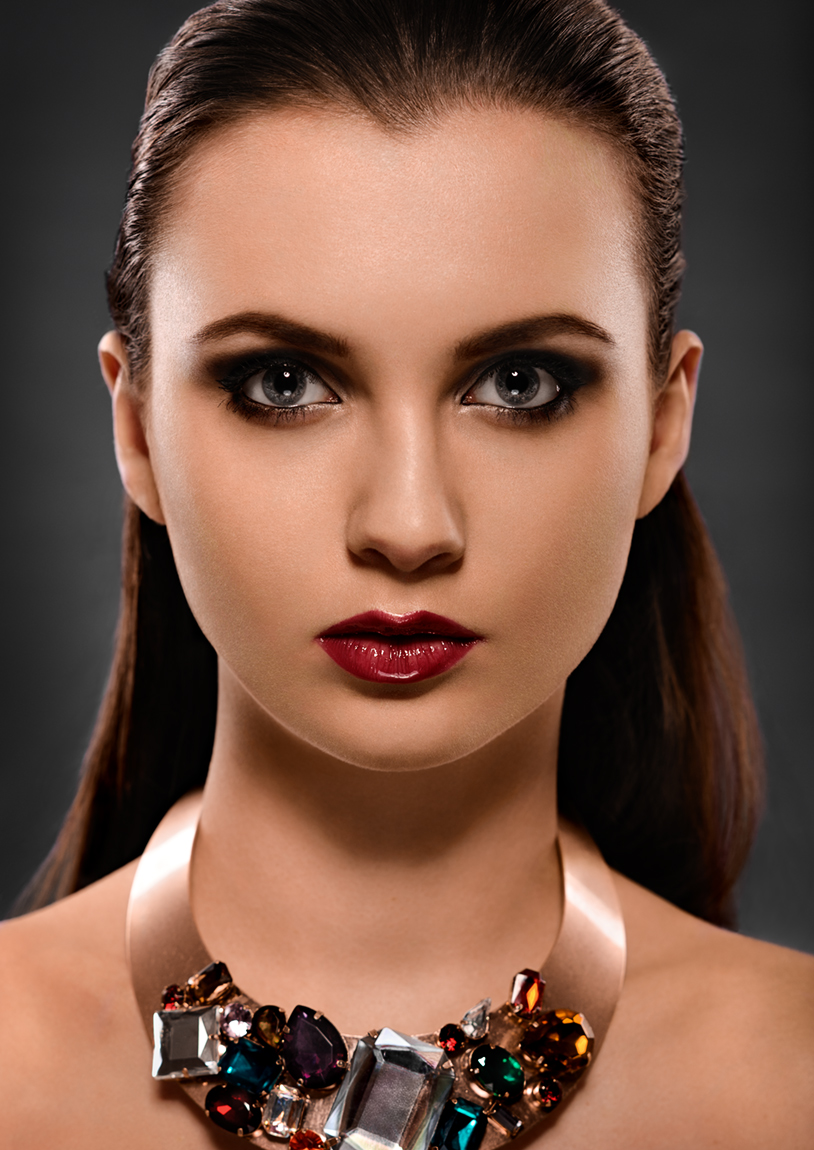
Nikon D700 | Nikkor 135mm 2D DC | F/6.3 | 1/200 s | ISO 200
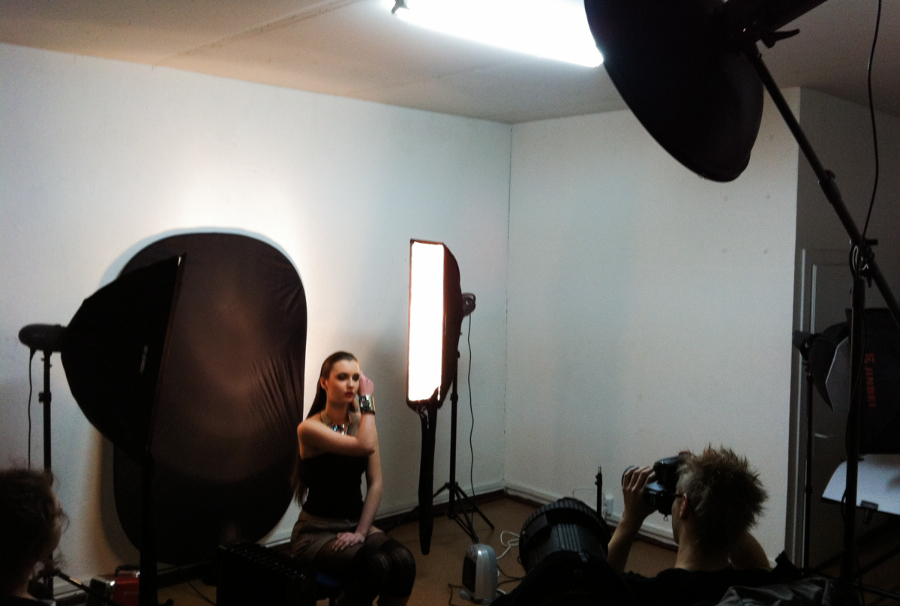
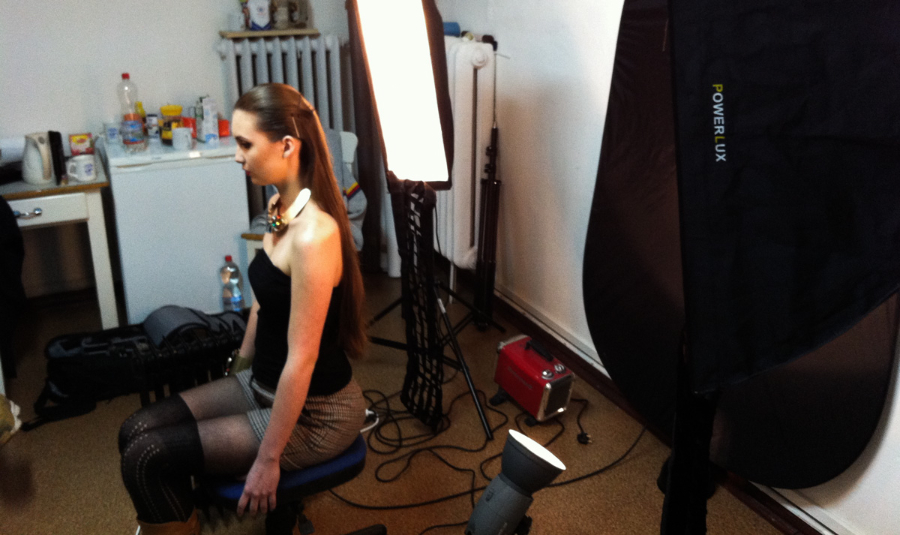
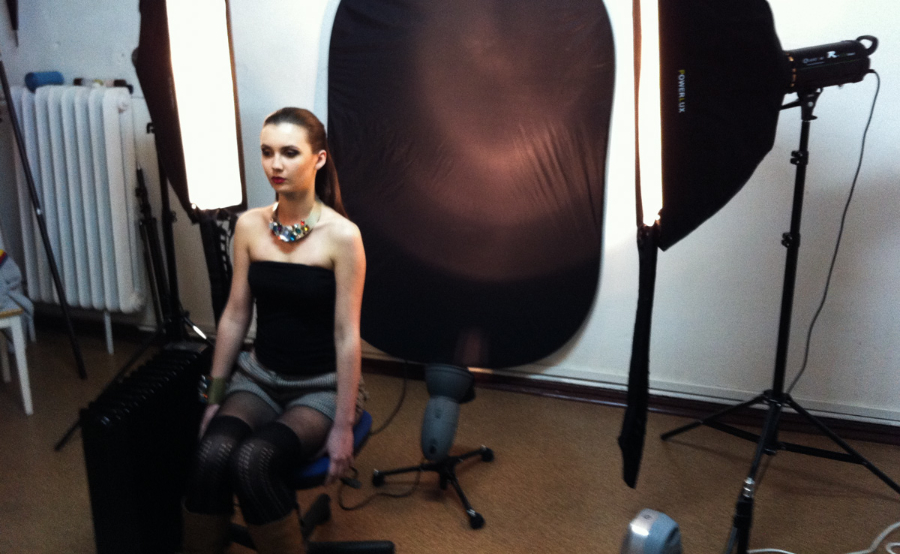
As usual, the key light was a 70 cm beauty dish with a grid, suspended at some absurd height. But honestly, I have no idea why I chose the dish; I must have used it out of habit. Soft light from an umbrella or softbox would’ve suited this photo better than the hard light from the dish. Still, the BD has its advantages. Inside the beauty dish was a Powerlux VC-800LR flash controlled wirelessly. Whoever came up with radio control for flashes deserves a Nobel Prize. It’s an invention on the level of the TV remote. I used another light on the background and the last one to brighten the eyes. That gave me my usual starting setup—the setup most shots begin with. The only difference was the rim lights. I used to use bare speedlights as rim lights, sometimes fired through a diffuser from a reflector or a sheet of paper. In December, however, several Powerlux softboxes joined my kit, including the ones I should’ve owned ages ago: EXL 22 x 90 cm strips. They’re very narrow, so they’re perfect as rim lights. You can also fit them with honeycomb grids, which fully satisfies my obsession with controlling light. I spent the entire month putting these modifiers through their paces, but this time I removed the grids and positioned the strips to light more of the face, not just its edges. I also set the power a little higher than usual.
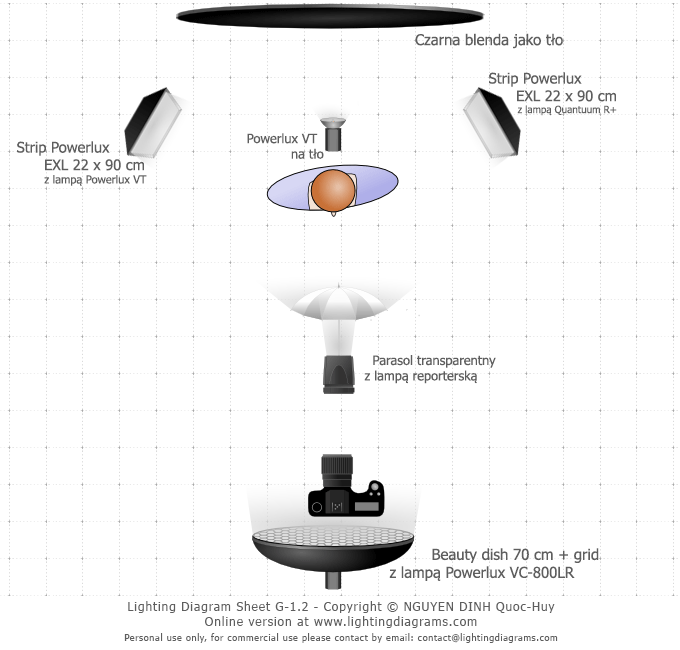
The photos ended up a little outside my usual style, but this approach suits this styling better.
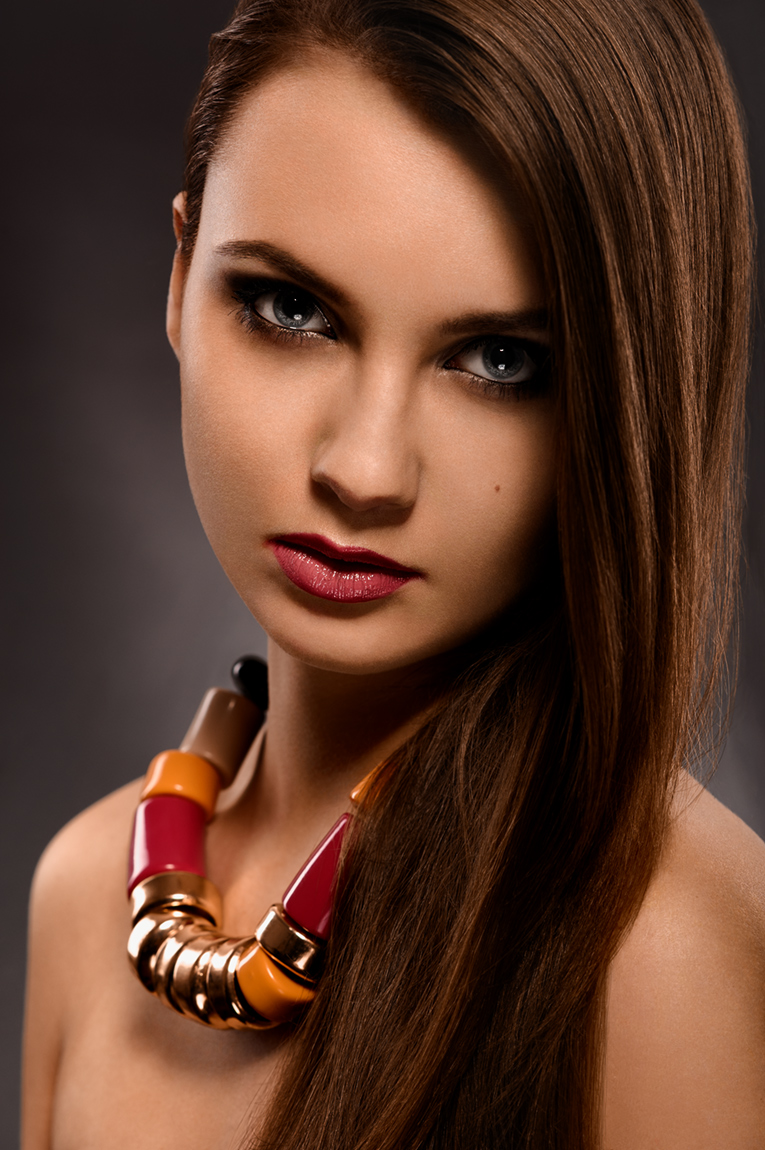
Nikon D700 | Nikkor 135mm 2D DC | F/9 | 1/200 s | ISO 400
Shoot 2 — Onyx Music Club
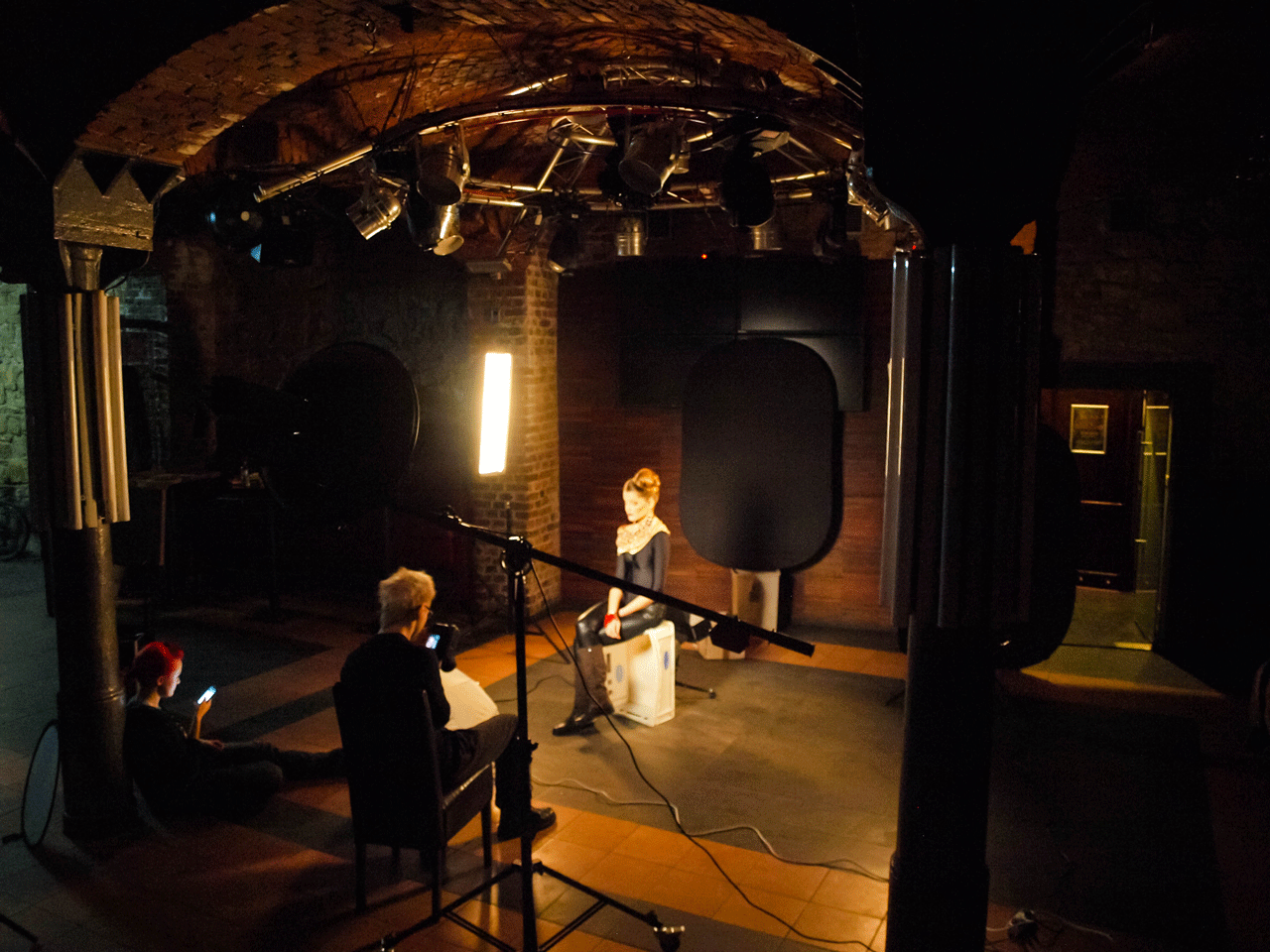
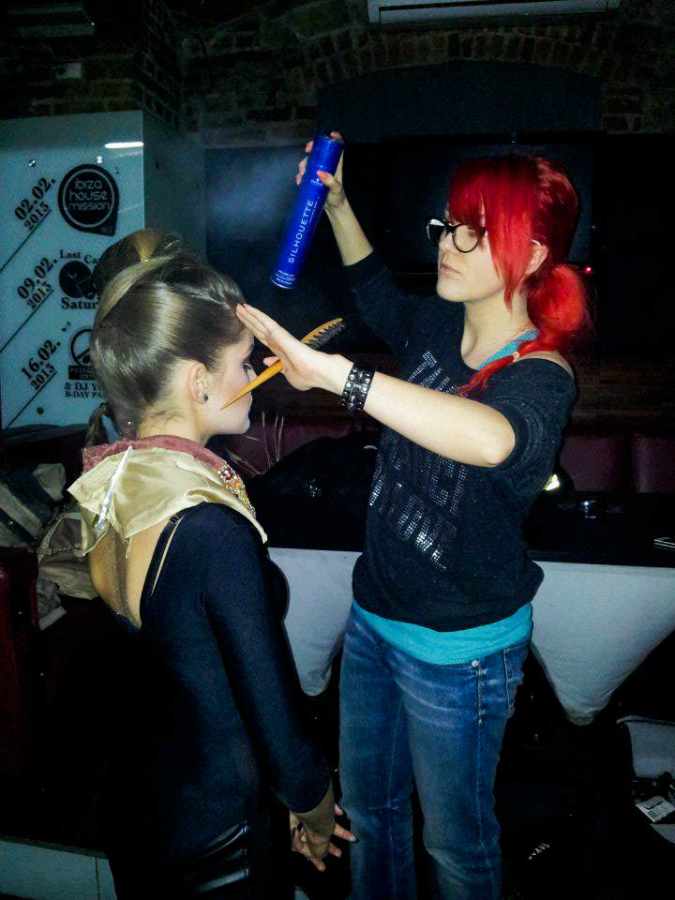
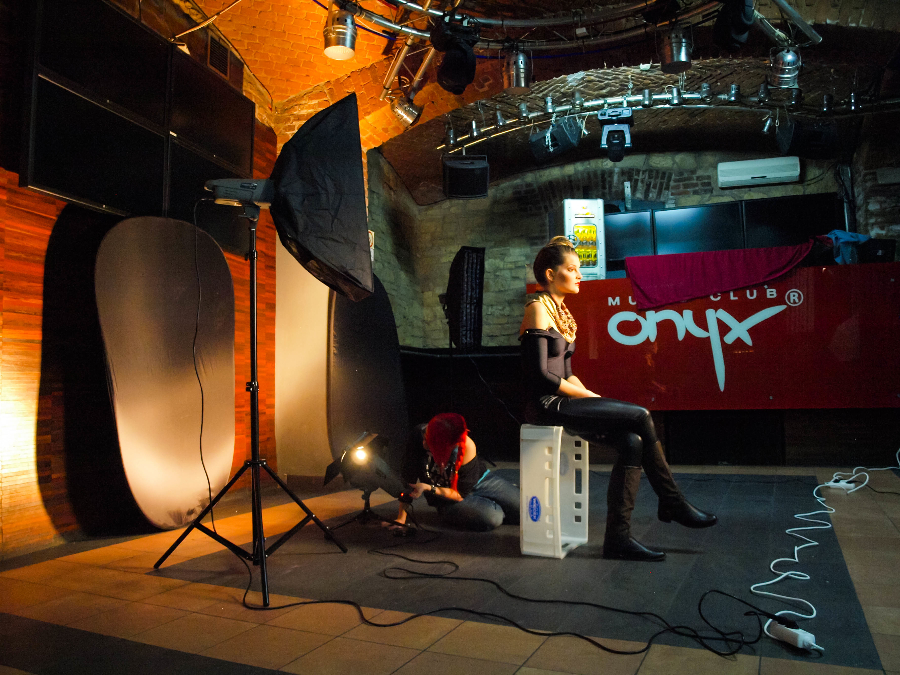
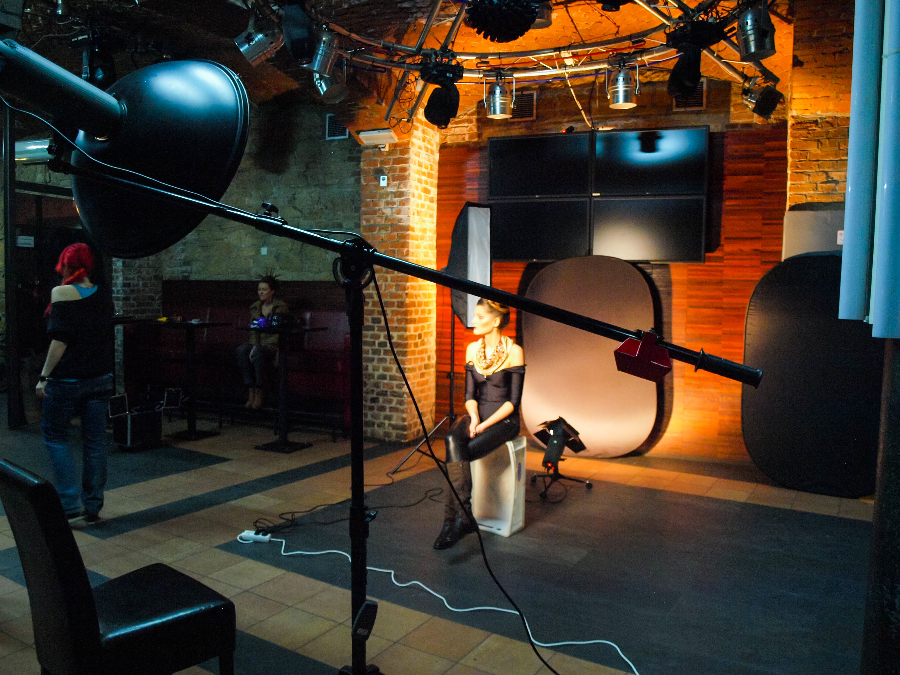
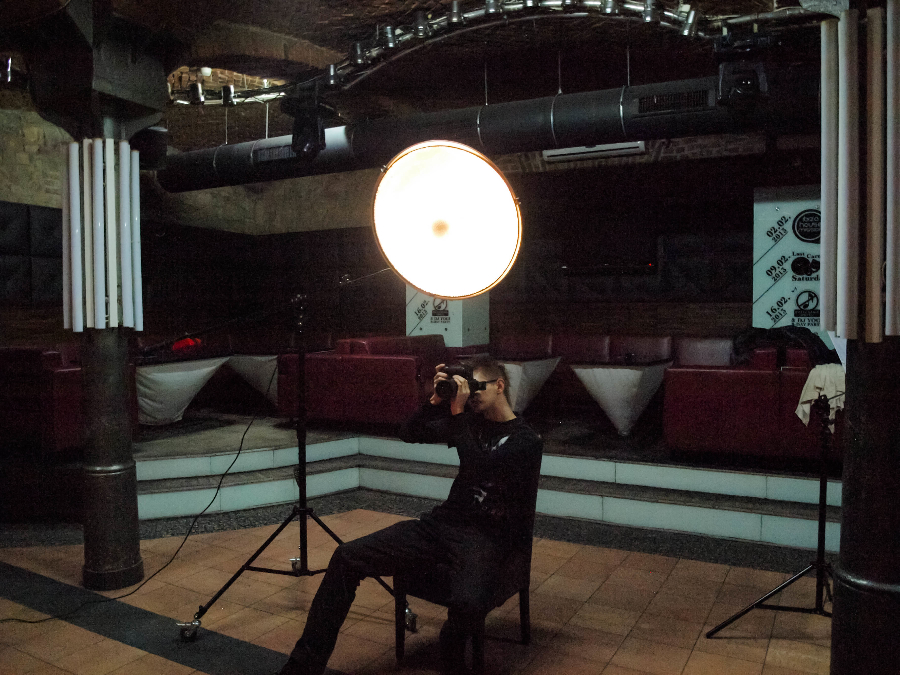
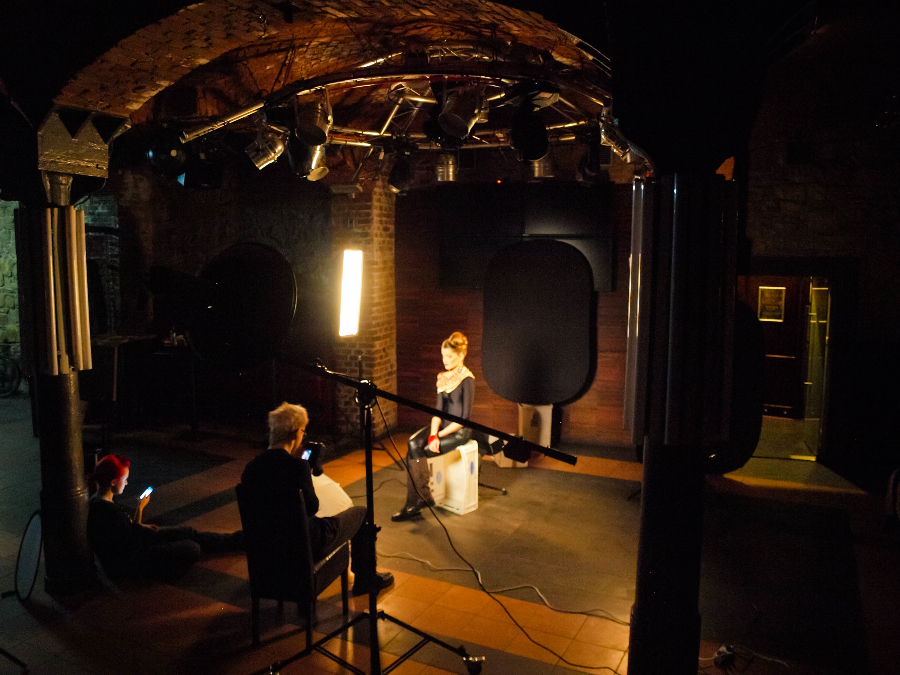
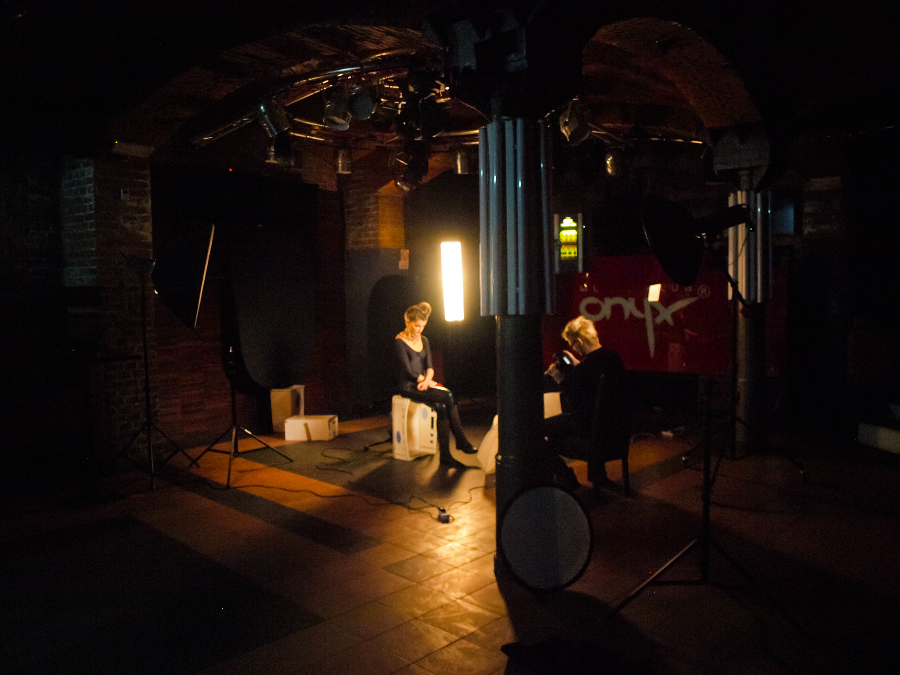
The second shoot where I used similar lighting took place two weeks ago at the Onyx music club in Tarnowskie Góry. Clubgoers say the place is also popular in other parts of Poland, but I wouldn’t know—I’d only been there once before… for another shoot. I won’t go into detail about Onyx because these are beauty photos anyway. Don’t read too much into the backstage photos either: the owners are currently gutting the place and plan to create an entirely new interior.
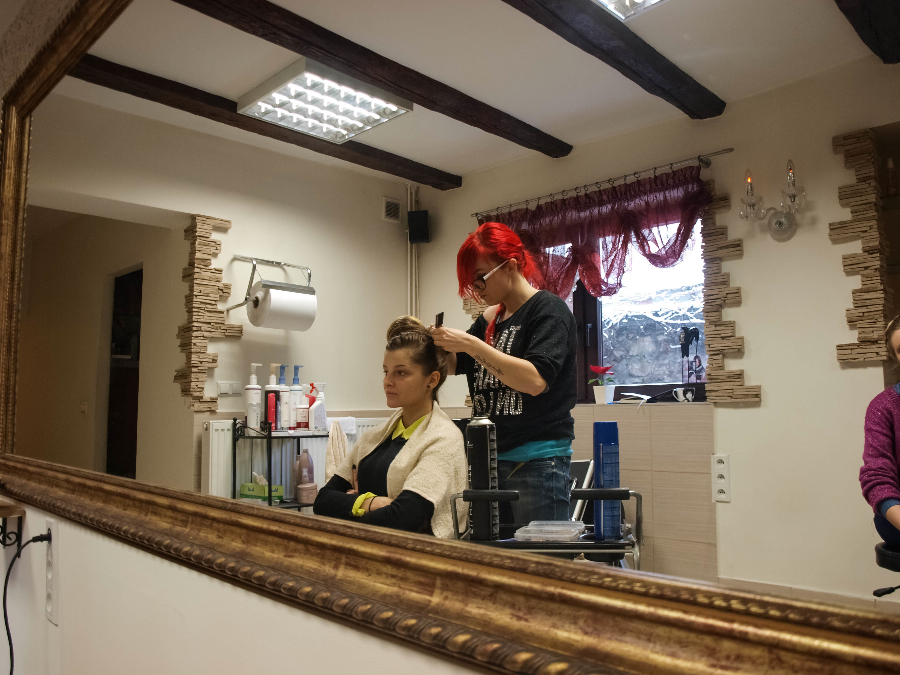
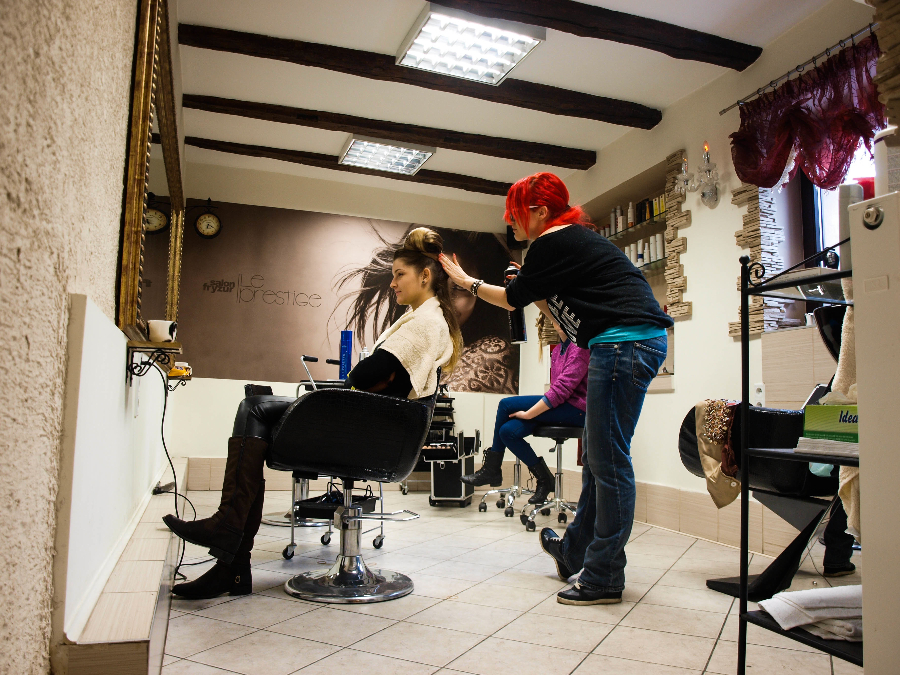
Back to the shoot. Makeup was done by Karolina Zientek, and hair by Aga from Le’Prestige. Mateusz "Pro" Prociak assisted me for a while, but he had enough sense to arrive after the gear had already been unpacked and set up, then leave before we started packing everything away. We had several models that day, but I’ll focus on Aleksandra Cogiel, whom I’d photographed before. For her photos, I positioned the rim lights much as I had for the images described earlier, but this time I also used honeycomb grids. A beauty dish served as the key light, though I hung it lower than usual.
Positioning the key light this way affects the entire photo: the top of the hairstyle is lit less, so without the rim light I would’ve had a black patch there with no detail. The shadow on the neck doesn’t extend as far down, and the shadow under the nose is also short. The key light is also reflected in the eyes. This light position has advantages as well as drawbacks. I usually prefer to light from higher up. We took the straight-on photo with her eyes closed:
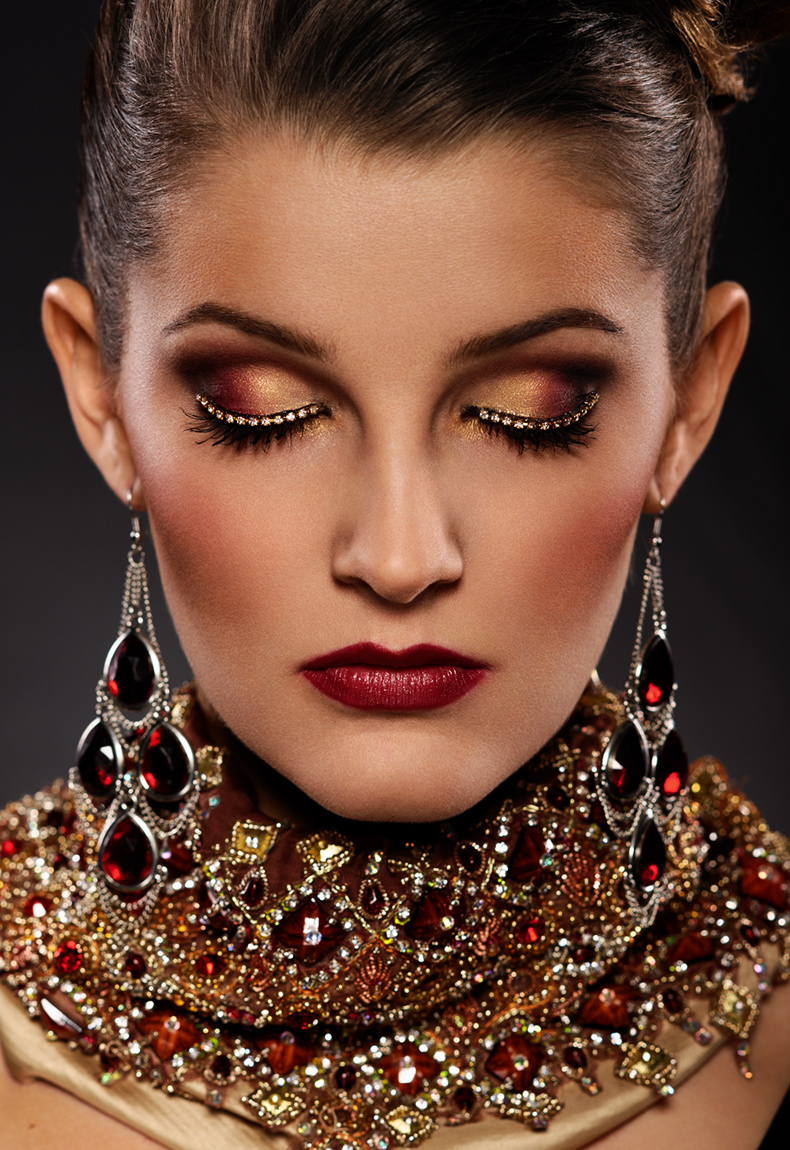
Nikon D700 | Nikkor 135mm 2D DC | F/8 | 1/200 s | ISO 200
Below you can see how the rim light falls:
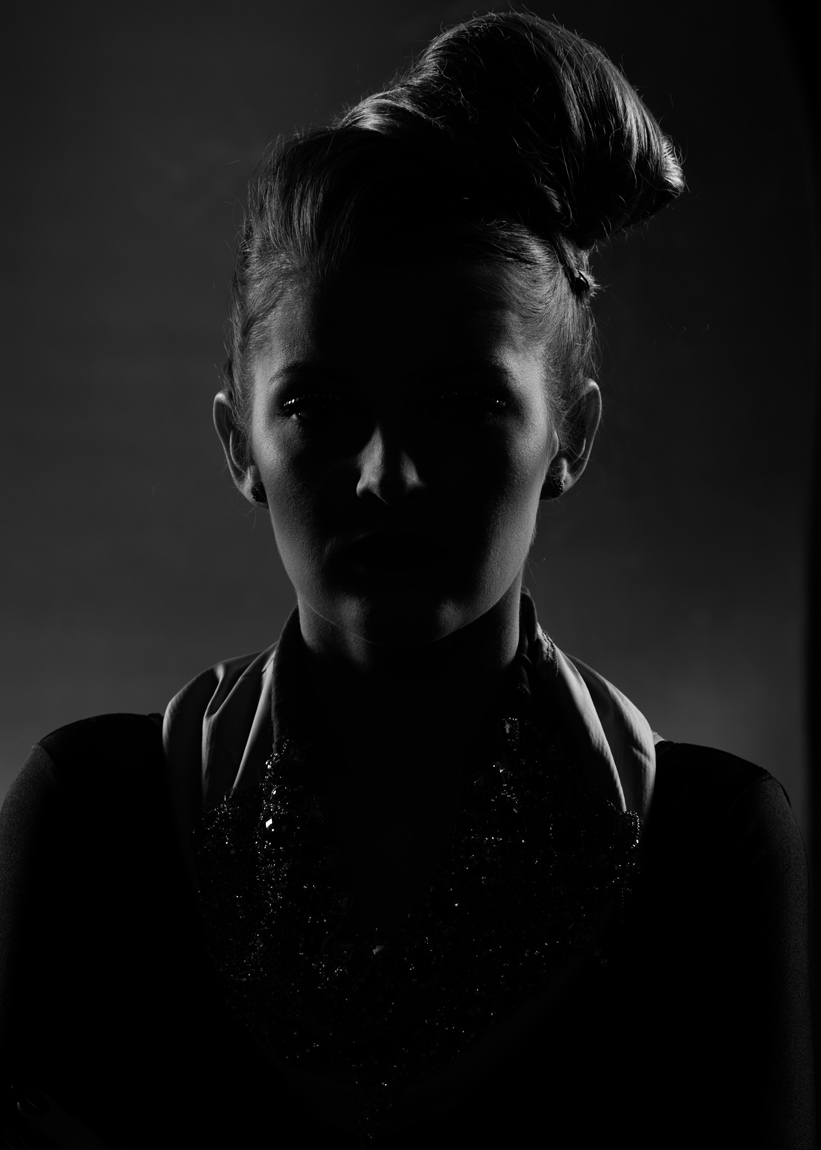
I always try to keep the rim light off the nose, but this time it was necessary.
For the second shot, Ola turned slightly sideways, so the entire setup changed. The light was no longer aimed straight at her face; it lit more of the cheek facing the camera.
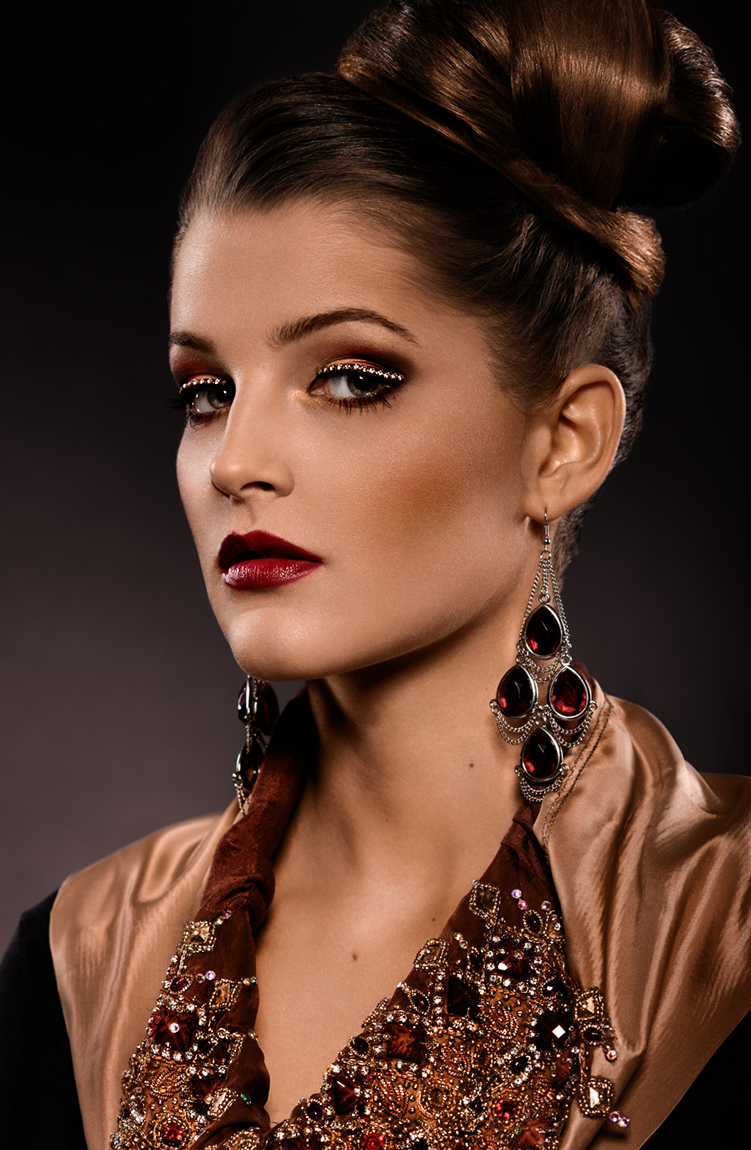
Nikon D700 | Nikkor 135mm 2D DC | F/8 | 1/200 s | ISO 200
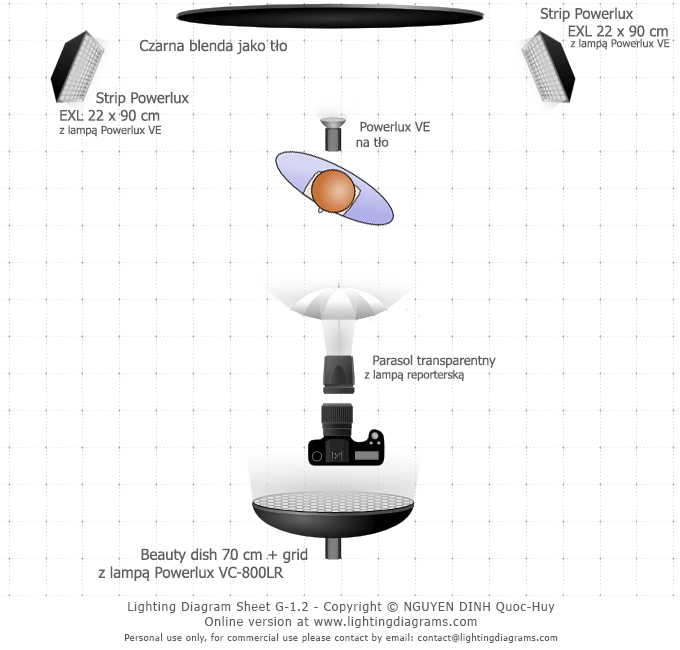
I rarely use this lighting. It makes facial features less distinct, but it suits photos like these, with a bit of a glamour look. Aleksandra also has clearly defined cheekbones, so in her case there’s no risk that this lighting will distort her facial features.
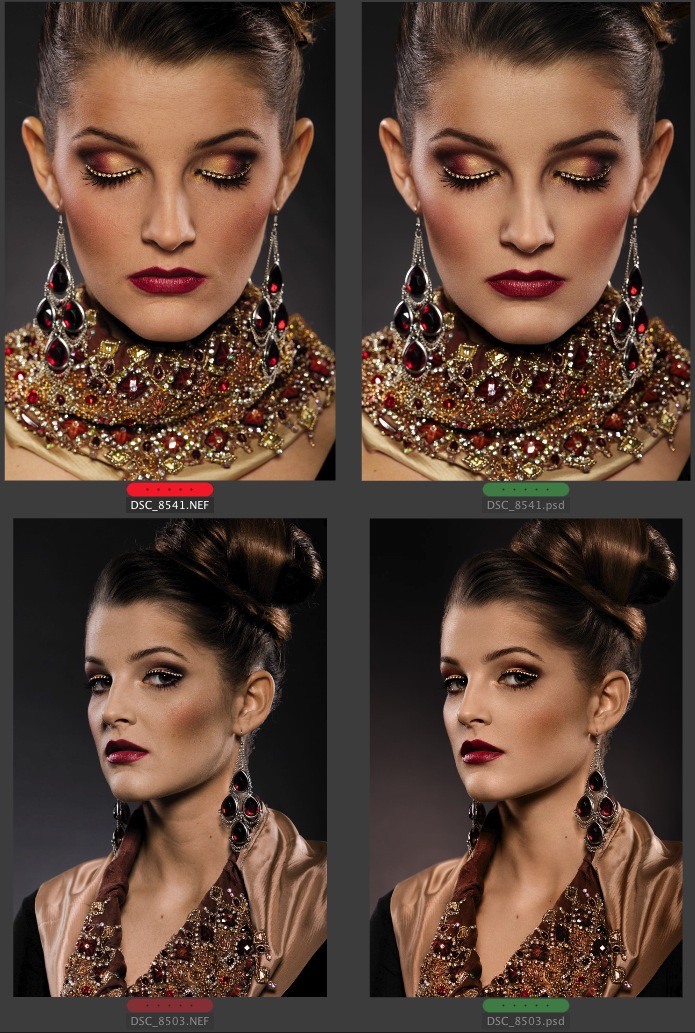
Photos before and after Photoshop
During this shoot I used Powerlux VE-series flashes, among other gear, but I’ll cover them another time. If you have any questions about this model, leave them in the comments.
Backstage
Summary
Generalizing that photos with rim lighting are better than those without it—or vice versa—makes no sense. Sometimes they’ll be better, sometimes worse, but they’ll certainly be different. Soft light usually doesn’t work well as a rim light. I often use bare flashes, and lately I’ve also been using the strips mentioned above. I definitely wouldn’t use a wide softbox, octabox, or umbrella for this. Instead of rim lighting, that would create fill light in the shadows.