My Studio Equipment in Bangkok
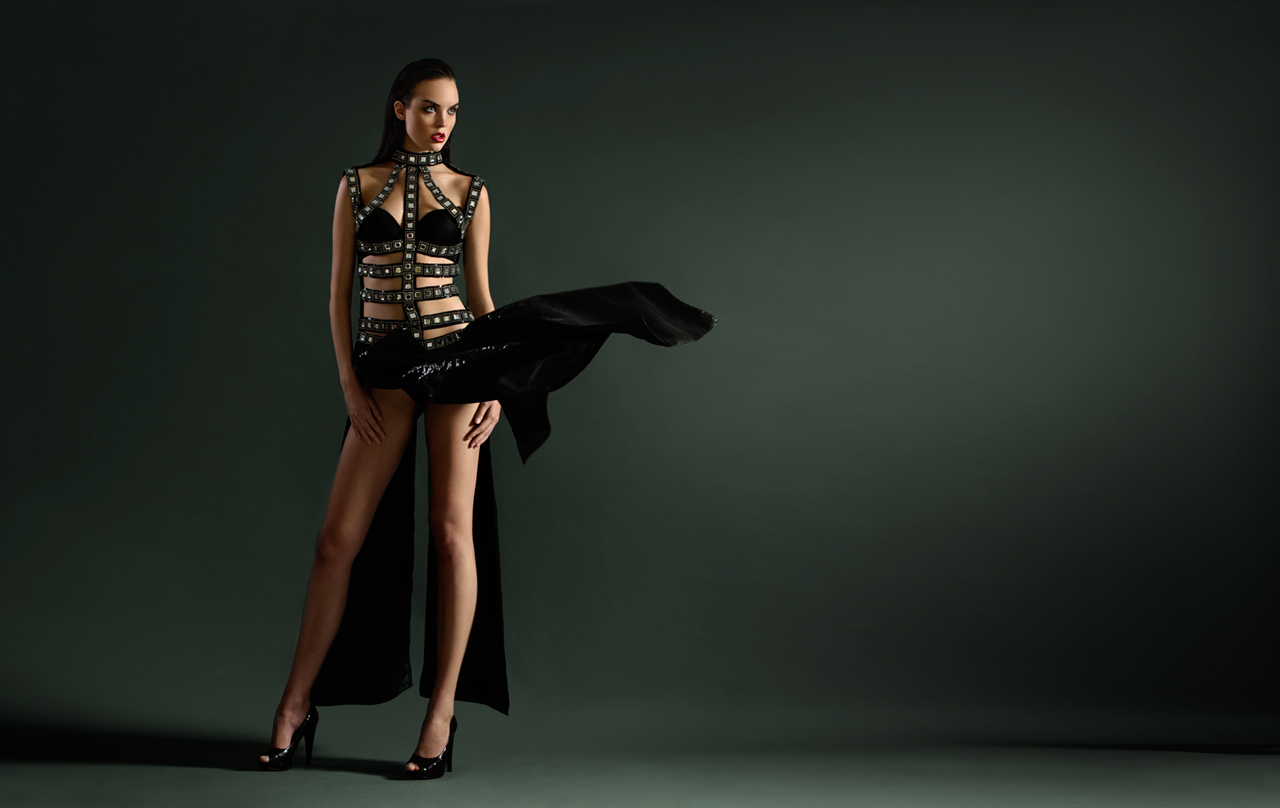
This will be a purely technical post about equipment (although interspersed with photos from a shoot I did recently). I have described in more detail what I currently use when taking photos. It may be a useful guide for anyone who wants to shoot in a style similar to mine. I wrote about this here, but back then I created something closer to a compendium. This time I focused exclusively on the things I use right now.
My studio equipment was sent to Bangkok by Fripers.pl, so the entire setup is based exclusively on what they sell. From their range I was particularly interested in products from two companies—Jinbei and Aurora. The former is known for its excellent price-to-quality ratio. People had asked me about their flashes so many times that sooner or later I had to test them—I did that during the “Fire and Water” shoot and decided I could keep using them for longer. Aurora, on the other hand, sits in a higher price and quality bracket; its range includes the Digis Boom, where the flash tube and head are two separate parts—a great solution for beauty shoots and any other setup in which the flash is mounted on a boom rather than a regular stand.
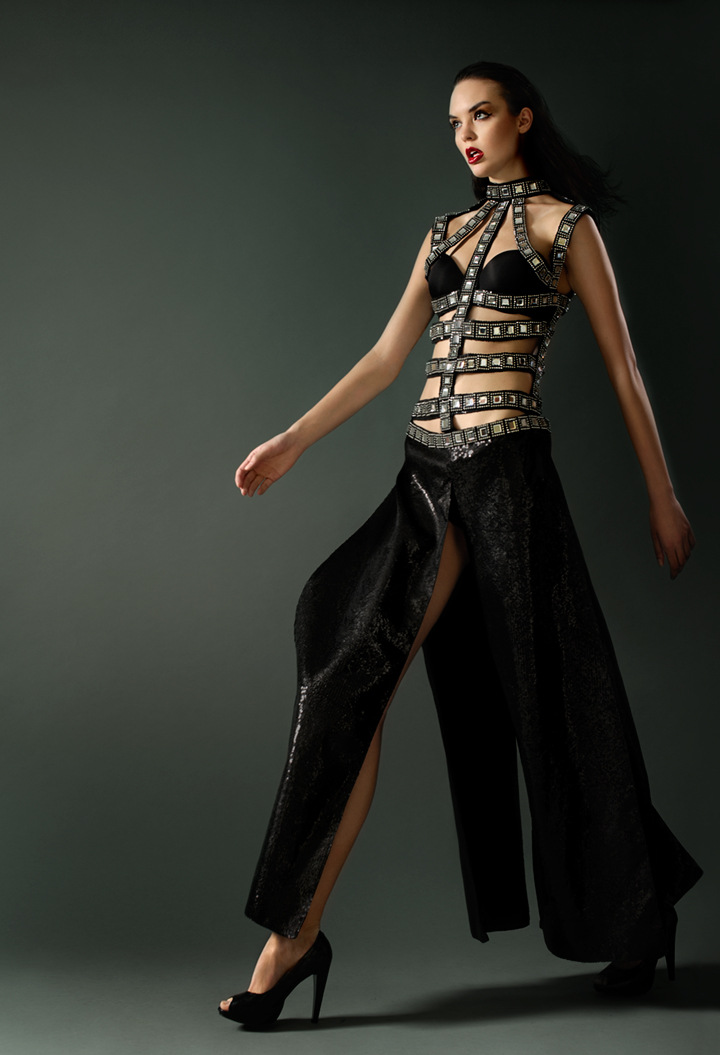 This photo was taken using only the equipment described here. The model is Natalia Hajduk (Moss Model), whom I met in Bangkok completely by chance while out in the city.
Jinbei DPsIII
For logistical reasons I went with Jinbei; my main flash became the Jinbei DPsIII 800 Ws —the one I had been considering for a long time. It is very inexpensive, especially given the radio control (a feature usually missing at this price). At the time of writing, the 800 Ws version cost PLN 1,055. The modeling light in this model is 250 W, which I consider the minimum; 150 W in the main flash is too little if you want to use a large beauty dish with a dense grid.
The rear panel of the flash has a large LCD screen and six buttons (not counting the power switch). They work in a rather unusual way for a studio flash; normally there is a separate button for the photocell, another for changing power, and so on. Here it is different. Two buttons move through the menu items, including flash power, modeling light, photocell, test flash, and remote-control settings. After selecting the relevant option, you use another two buttons to move the setting up or down.
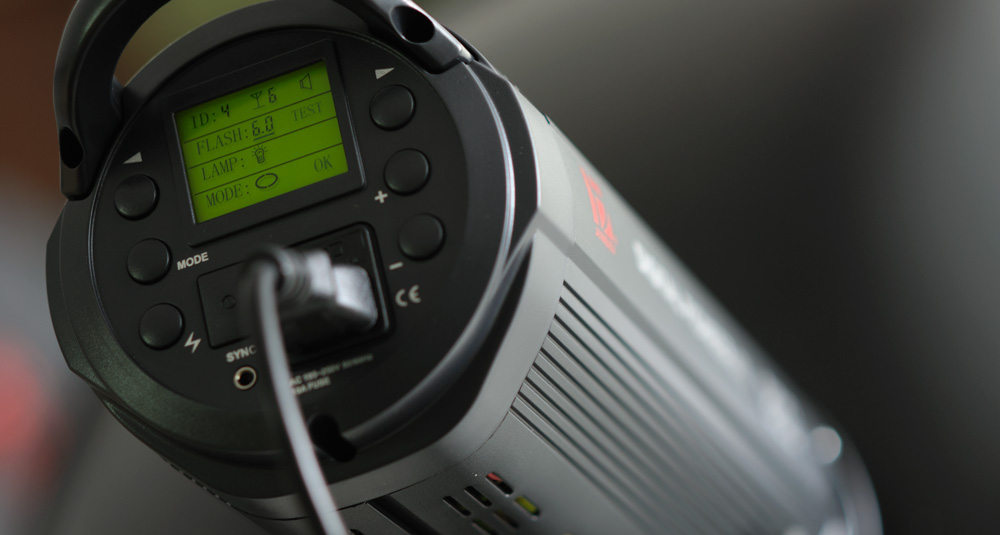
I never use the rear panel, though, because, as I mentioned, the flash can be controlled with a remote , and that is always how I use it. The remote works in much the same way as the rear panel.
The power can be reduced to 1/32 of maximum, although I never go that low with the main flash. I tend to work closer to maximum power than minimum.
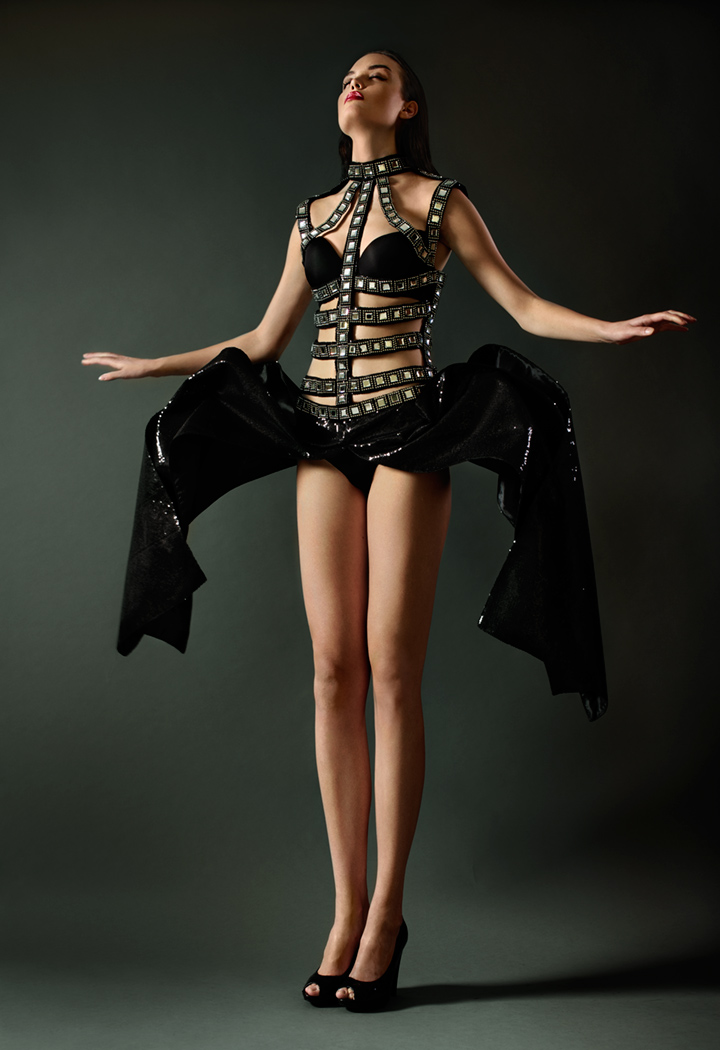 The lighting setup in every photo from this series is very similar to the one used in the “Natalia in the Gold of Emperor Shaohao” shoot.
For additional lighting I use Jinbei DM2 300 Ws. They are smaller and lighter than most studio flashes, which matters a lot when traveling far.
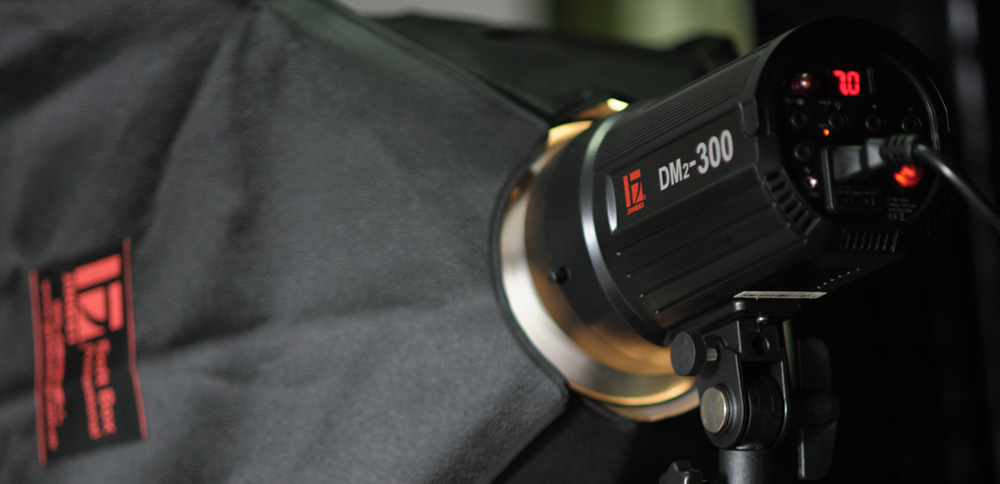
I usually use 300 Ws, and that is entirely enough for me. However, the DM2 units can be turned down to 1/64 of maximum power, so I could easily use even the 600 Ws versions without worrying that they might sometimes be too powerful at their minimum setting. A few speedlights complete the kit.
Modifiers
I do not need many modifiers for my photos; I have listed all of them below.
Main
Beauty Dish FreePower 70 cm (always with a grid) - I use a BD as the main light for nearly all beauty photos. The 70 cm size is ideal. I currently have a silver one; before that I used a white one. So far, I have not decided which is better.
Aurora Firefly XL 90 cm —this is a somewhat unusual modifier that I have already written everything about (many times, in fact). It is a softbox that can be converted into a beauty dish (using this deflector). It folds down, so it is excellent for location work. It works well in the studio too—I use it for fashion shoots. I do not think any other company in Poland sells anything similar. It is worth the price, and the quality is far better than the no-name products flooding the market. My grid comes from some other octabox, but Aurora also makes a honeycomb grid specifically for the Firefly.
Additional
Softbox Jinbei/FreePower 20 x 90 cm —I always need two strip softboxes. I use them as rim lights for fashion and beauty. A width of 22 cm is ideal, but unfortunately most companies make wider ones. I consider grids essential—I rarely remove them from my rim lights.
Softbox Jinbei/FreePower 40 x 40 cm —I use it very rarely, but when I do, it would be difficult to replace with anything else. This is my hair light—the hairstyle can sometimes be out of this world and require additional lighting. I do not mean outlining it with a rim light, but lighting the hair from above, for example. It is useful to have an extra boom for that.
When the hair is teased, you need to use soft light; otherwise it will look like straw. That is when I use this softbox. A grid is essential here, and Jinbei includes one as standard with this model.
Umbrella ~ 90 cm—the most basic modifier. I do not use it as the main light, but I use it to create catchlights in the eyes. The umbrella lies on the floor, reflected in the lower part of the iris.
FreePower barn doors —I use these when I want to direct light precisely onto the background. The set also includes a grid, which I use from time to time. There are colored gels as well, which I keep promising myself I will use for a shoot. So far, I have used them only once.
Reflector —my basic modifier for lighting the background. I use one around 17 cm in diameter for almost every beauty shoot. This time I also have a slightly smaller one with a grid, allowing the light to be focused even more tightly.
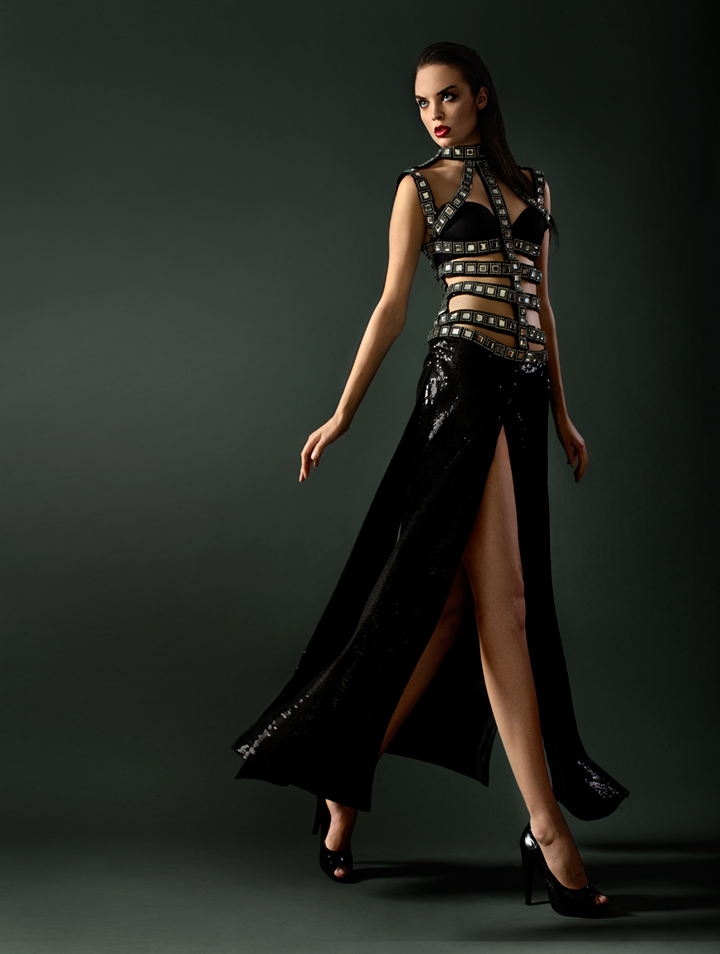 I also got the outfit from the same place as before—from a local shopkeeper who sells clothes of his own making. It seems there are many more places here where you can find such unusual clothes.
Other equipment
Light stands. My main stands here are Jinbei 300s, equivalent to this model. When shooting beauty, in addition to regular stands, I also need a boom. A low-level stand, known as a floor stand, completes the set and is used for lighting the background.
Background - I cannot stand polypropylene backgrounds—they are very cheap, and that is where their advantages end, because they are unsuitable for beauty or fashion. Only paper is an option, or possibly vinyl (which might even be better because of its durability). One day I will also try a muslin background.
In any case, I currently use a paper Savage background, 2.7 m wide. The color is smoky grey. Every Bangkok shoot of mine that you have seen so far was done against this background. I could also use a black one—almost all of my beauty shoots were done against a black background, although I usually used the black side of a reflector rather than a proper studio background.
Bowens adapter for speedlights —in case I need to take studio modifiers on location, I have an adapter for a single flash and another that lets me mount three flashes in one modifier.
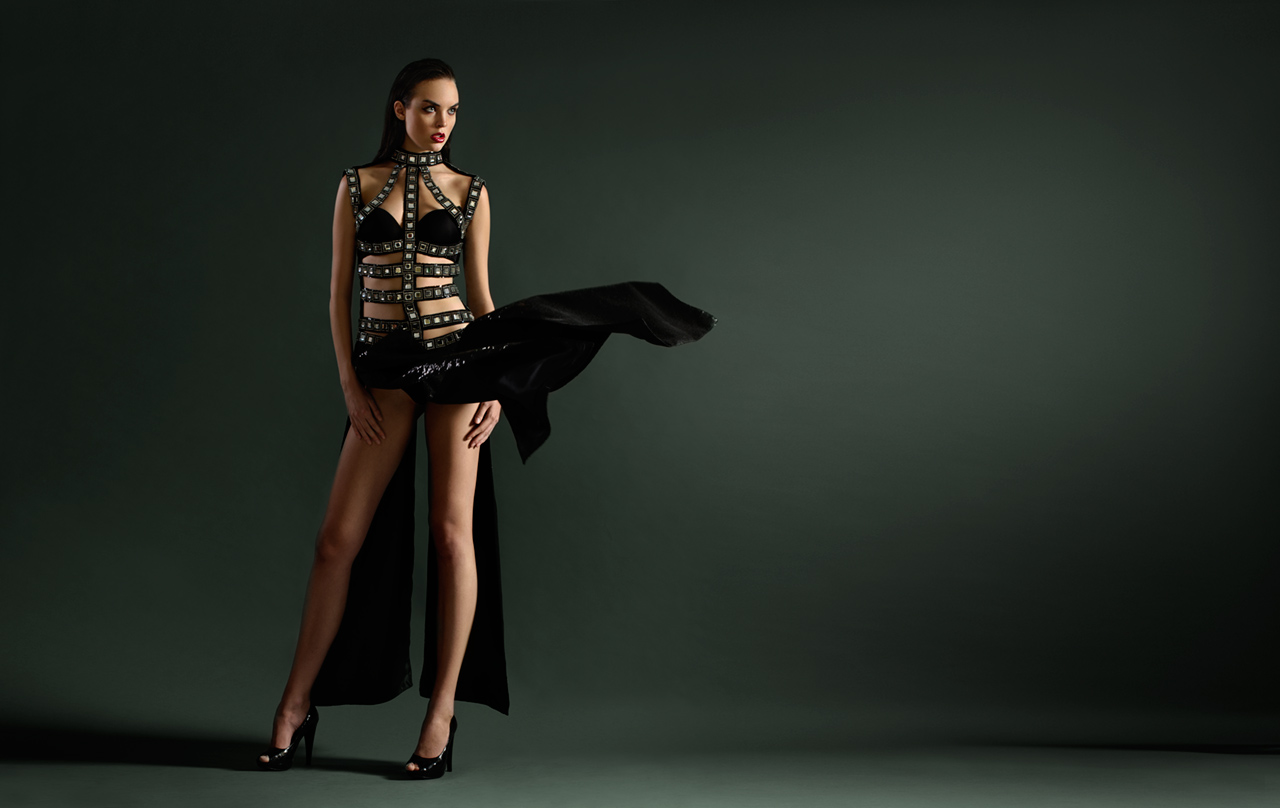 I did one more shoot with a similar setup, but that is a story for another time.
Summary
The other thing I still need is a radio trigger. A grey cardis useful too. And that is about it. You will not find any large modifiers on the list above because they are completely unsuitable for creating the look I want. The next posts will be more about shoots than equipment. An updated version of my article on choosing a computer for retouching is also coming.