Moving to Bangkok, Thailand - Cost of Living, etc.
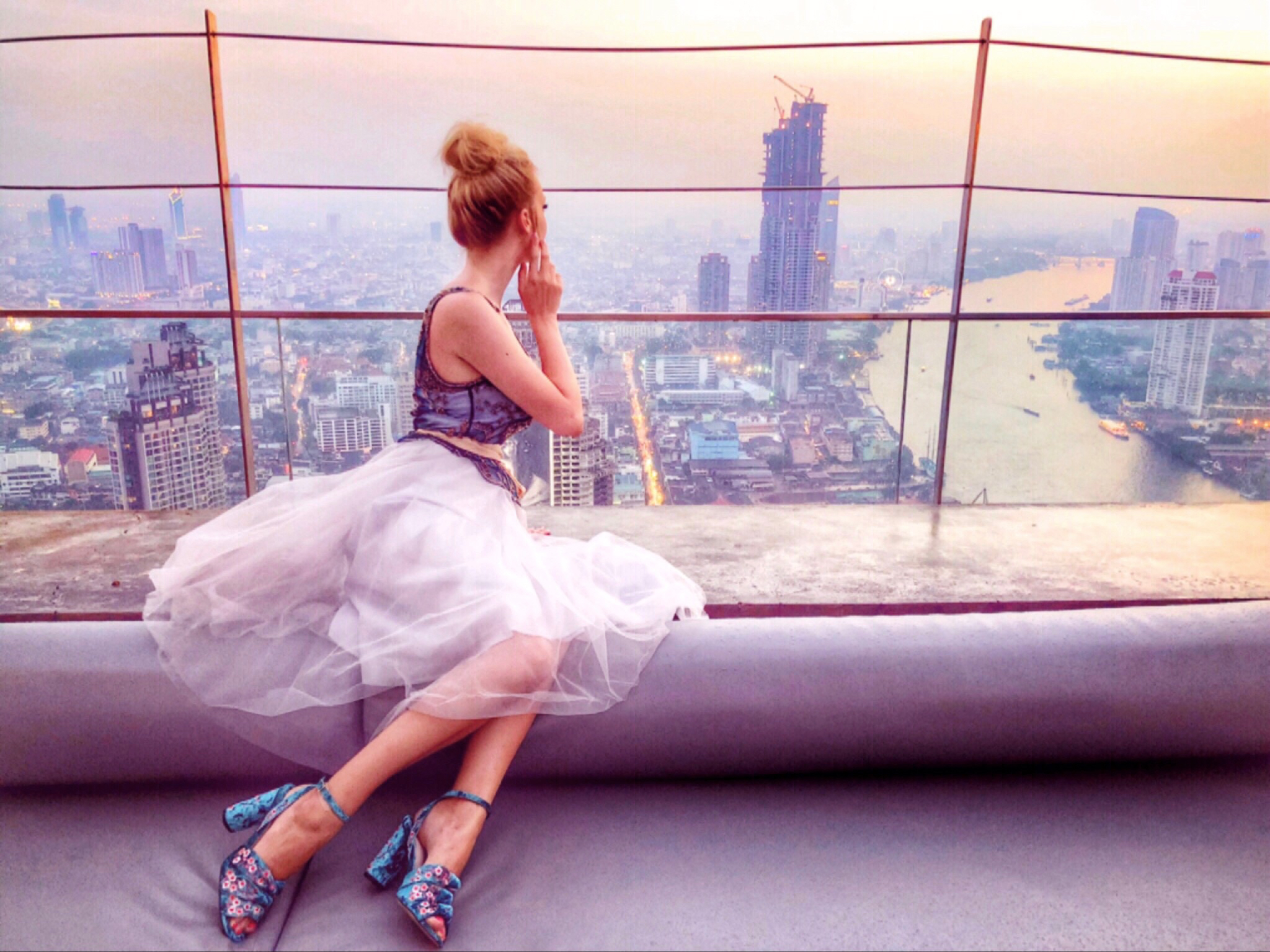
This post was written in February 2014, but I later decided to give it a proper update (last updated: April 24, 2021). I also wrote a follow-up to this article that covers other subjects. If you're more interested in everything else than the costs and other very basic information, especially what it's like to live in Thailand longer term, it's better to start with another post: Bangkok after 3 years of living there.
I moved to Bangkok because I had to move somewhere, and Thailand seemed like the best place to live. I'd been looking for a place in Warsaw, but I couldn't find anything that suited me. There were some nice apartments, but at prices that made little sense to pay in Poland when the same money was enough to live in much more interesting places.
In Bangkok, you can live very well at a low cost, or live exceptionally well while still spending less than you would for an average lifestyle in New York or Milan. Add good flight connections throughout Asia, safety (no muggings, though theft does happen), and much more. In 2013, I flew in for three months with the intention of staying longer if I liked it. After the first three months, I signed a one-year apartment lease. I still live in Bangkok.
Bangkok
Everywhere you look, you'll read that Bangkok is a city of contrasts. That's hardly surprising. It has skyscrapers, huge shopping malls, five-star hotels and hospitals that look much the same, eight-lane city roads, Porsche and Ferrari dealerships, and among them stalls selling very cheap food, stands with pirated movies, the occasional building that looks like it came from Poland's communist era, and tuk-tuks carrying people around.
Weather
Temperatures are very high. It's the hottest city in the world (according to the World Meteorological Organization). The thermometer often shows around 35 degrees, but it usually feels hotter. It all depends on the season, though, and there are three of them. March through May is the hottest period. The other months are fairly tolerable, but the temperature doesn't drop noticeably until around November. November through February is the best time for a vacation. That's the dry and warm season. It's much cooler than during the rest of the year (around 30 degrees, with a similar feels-like temperature), and it hardly rains at all.
Every store has air conditioning, as do taxis and apartments. The city doesn't have air-conditioned corridors serving as sidewalks, though, so you can work up a sweat walking from point A to point B. There are exceptions in the form of hubs connecting buildings, but they're still rare. In mid-April, Thailand celebrates Songkran, the water festival.
Then comes the water, and the rain starts at the end of May. In Bangkok, it often rains late in the day and only once every few days, though some areas get it much more often. By around August, even Bangkok sees a sharp increase in rainfall. It can rain several times a day, though one downpour a day is more typical. The rain may last an hour, but after the first 10 seconds you'll look as if you jumped into a swimming pool. Bangkok is pleasant from November through July. During the other three months, you need to be prepared for a lot of rain. September and October are the worst in that respect.
Cost of living in Bangkok
Everyone writes about the cost of living in Thailand. It can be very low, but you can also spend many thousands without trying too hard. Thailand's currency is the Thai baht (THB). The notes bear the king's image, so you mustn't crumple them, and if one falls on the ground, you absolutely shouldn't step on it. 10 THB is about PLN 1, so adding a decimal point gives you the amount in Polish zloty. Cash is the main form of payment, but ATMs are everywhere. Each withdrawal carries a fee (180-200 THB) that doesn't depend on the amount withdrawn. You can take out up to 30,000 THB at a time.
Food in Thailand
You can eat lunch on the street for about 40 THB (often including drinking water). It's usually rice with toppings in every form imaginable, or one of many kinds of noodles.

What you see in the photo (noodles with chicken, sauces, and a little soup) costs 45 THB.
Nobody cooks at home (well, almost nobody). First, it isn't worth it for one or two people. Second, unless you live in the middle of nowhere, you'll have at least a dozen places to eat within a one-minute walk (including places open at night and a night market where you can buy not only food, but also electronics, clothes, and so on). There will probably also be a place that can deliver a meal to your home in no more than a dozen or so minutes. As a last resort, you can go to a 7-Eleven, where they'll heat up a prepared meal for you. These stores are everywhere. I mean literally everywhere. Sometimes they're only a few dozen meters apart. There are also other stores open around the clock.
Throughout Asia, small pieces of raw fish are cheap enough that even a homeless person can afford them. In Poland, for some reason, sushi is considered an exclusive dish that should be expensive. In Bangkok, if you can no longer afford food, you can always buy sushi. I'm exaggerating a little, of course, because there are more expensive sets too, but it definitely isn't treated as a luxury product.
That's it for cheap food. Foreign dishes are more expensive. Pizza, for example, costs about twice as much as in Poland, while imported candy can cost as much as 300% of the Polish price. Fast-food prices are similar, and all the popular chains are available, though their menus differ slightly. Coca-Cola and other drinks cost about 14 THB for a can, 17 THB for a 0.5-liter bottle, and 24 THB for 1.25 liters. Drinking water from a vending machine costs about 1 THB (PLN 0.10) per liter, while milk is around 45 THB for 0.8 liter. Flavored milk is popular, with papaya, Japanese melon, watermelon, tea, and many, maaaany other flavors. Alcohol is expensive. Whisky is very popular because vodka costs considerably more. Red Bull in its original form (a noncarbonated drink in a 150 ml bottle) costs 10 THB, much like other drinks of this kind. Thai people drink them all the time.
Fun fact: Red Bull comes from Thailand. It was brought to Europe in 1984 (and has been available in Poland since 1995). Before its European launch, research concluded that “this product is a disaster; people won't accept its taste, logo, or name.”
Thai candy bars seem to be bought only by masochists, while foreign ones usually cost more than in Poland. A Mars bar costs 24 THB, KitKat 25 THB, Kinder Bueno 35 THB, Snickers 20 THB, Lay's (75 g) 30 THB, and Nutella (370 g) 180 THB. Everything here comes in small packages. If you want more chips, you have to buy several bags. The flavors are debatable too. Crab- or octopus-flavored chips are available everywhere, while paprika is harder to find.
A cup of coconut ice cream costs 20-40 THB, while Algida/Nestle ice cream prices are similar to those in Poland. A banana pancake covered with sweet milk (called roti) costs about 30 THB. I've yet to meet anyone who tried one and didn't want to buy another every day for at least the next few weeks.
Apartments - rentals under one month
This is the option for people on vacation, or anyone who needs a temporary place while looking for a permanent apartment building. It works just like anywhere else in the world: either book a hotel through Booking.com, or choose what is usually the better option in both price and quality, which is renting an apartment through Airbnb. Once people try it, they rarely go back to hotels. For the price of a small hotel room, you can get an entire apartment, often in a much better location and to a very high standard. Bangkok has an enormous selection, from small, very cheap rooms to luxury penthouses.
For example, during peak season I rented an entire apartment on the main street in the tourist town of Hua Hin for just under PLN 100 per night (with a kitchen and bathroom). It was several times larger and several times better equipped than any hotel at a similar or even much higher price.
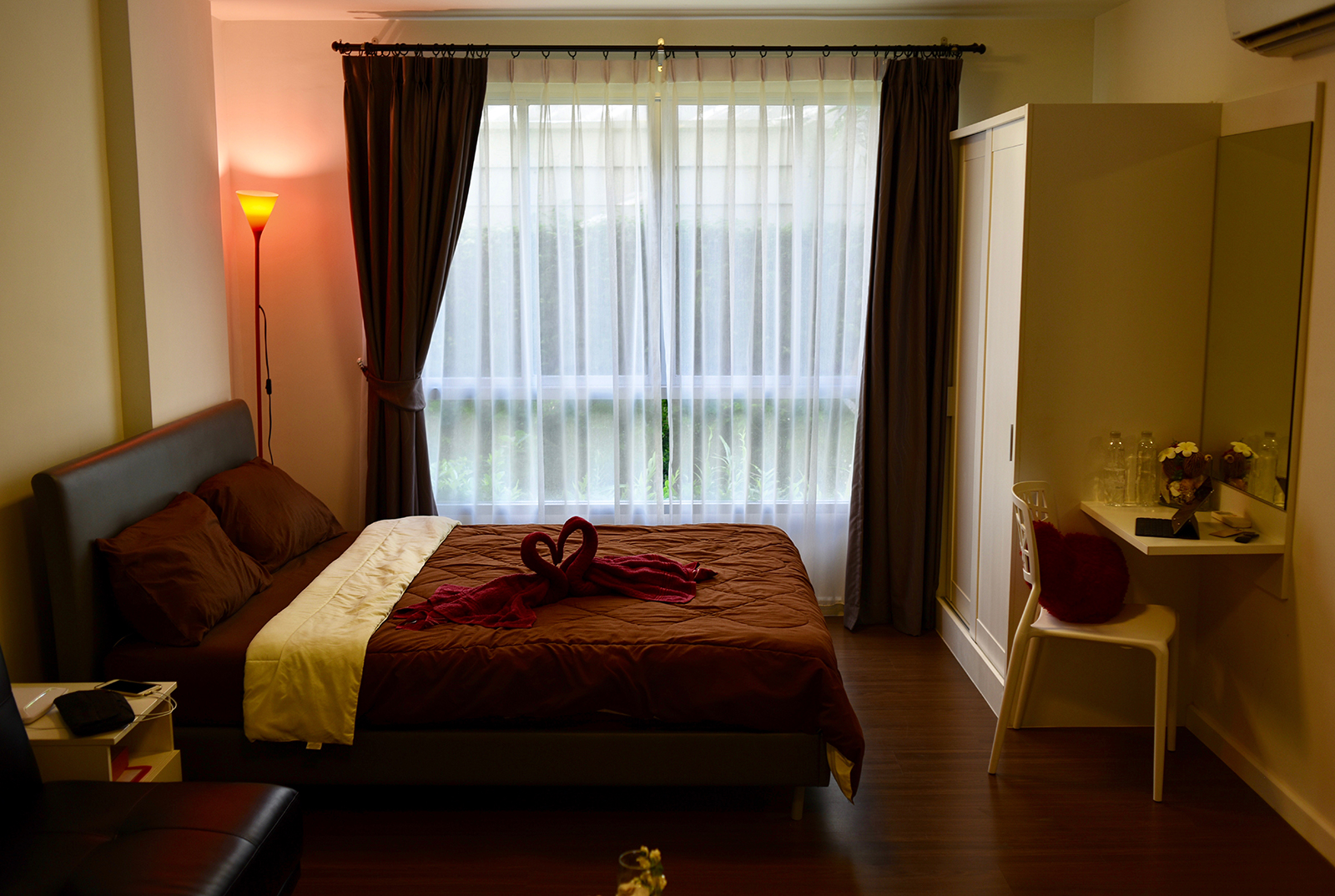
Besides what you can see in the photo, there's a sofa, TV, breakfast table, furniture, a kitchen with a refrigerator (and a bathroom, of course), and so on. Internet is included, along with... a swimming pool, gym, and stylish lobby for guests:

You can obviously get a much better place too. I booked at the last minute, so my options were limited. Either way, once you've used Airbnb, it's hard to want to go back to hotels. In Tokyo, for example, I rented a single room at a price point where hotels barely exist. The owner was abroad at the time, so I had almost the entire apartment to myself, and it was a size you almost never find in Japan (while I continued to pay for just one room).
Sign up for Airbnb through this link, and you'll get more than PLN 100 free to use anywhere in the world, even in Poland (including if you don't use it until several years from now).
Apartments in Thailand - long-term rentals
You can also use Airbnb, because some hosts offer very large discounts for rentals of a month or longer. Most don't, though, so I'll focus on the other options. For a few months, you can rent a room in a Mansion (something like a hotel with rental offers prepared for 1, 3, 6, and 12 months). Apartment buildings (condominiums), meanwhile, usually require at least a one-year contract, signed with the owner of the specific apartment rather than the reception staff. That also means more paperwork in a condominium, and individual apartments can look completely different because each owner furnishes their own. Mansions inflate their electricity and other utility rates, while apartment buildings charge government rates.
One-room studios are by far the most popular option (most are around 25 m2). An apartment of a decent standard costs around 6,000-8,000 THB a month (expect to pay twice as much for the same thing right next to a subway station). I'm obviously talking about apartments with air conditioning, because hardly anyone here would survive without it, especially just after arriving from Poland. You can rent something much cheaper too, but the standard will be lower. Prices also change considerably depending on the length of the contract (the better apartments can't be rented short term at all, or the price difference is very large).
When I lived in a 36 m2 studio in a Mansion, the costs and facilities looked like this: reception, elevators, a swimming pool, several security guards on every shift, surveillance, covered parking, a restaurant open 24 hours a day, a bar, just under 300 meters to the nearest 7-Eleven, and several smaller stores along the way. In other words, the Thai standard. Almost every rental has all of this, and usually much more. The subway station was 1.2 km away. A daily rental cost 750 THB (including electricity, water, cleaning, and full furnishings). A 1-3 month rental was 10,500 THB per month (internet, electricity, and water charged separately), while a rental of at least six months was 6,200 THB per month, but without a refrigerator, TV, or any extras. You could rent them, but if you live there permanently, it's usually better to buy them. As you can see, the price differences can be huge even for the same room rented for different periods.
The cost of renting an apartment with a second room varies greatly in Bangkok (sometimes it's still 30 m2, just with a wall added next to the bed, but it usually does mean more space). A place with two bedrooms is considerably more expensive. In my case, a 95 m2 Mansion apartment cost 25,000 THB. Bills added around 4,000 THB (living room, two bedrooms, two bathrooms, all furnishings included, and cleaning once a week. The building had reception, a swimming pool, gym, security, surveillance, parking, and two restaurants). The same thing in a better location would have been much more expensive.
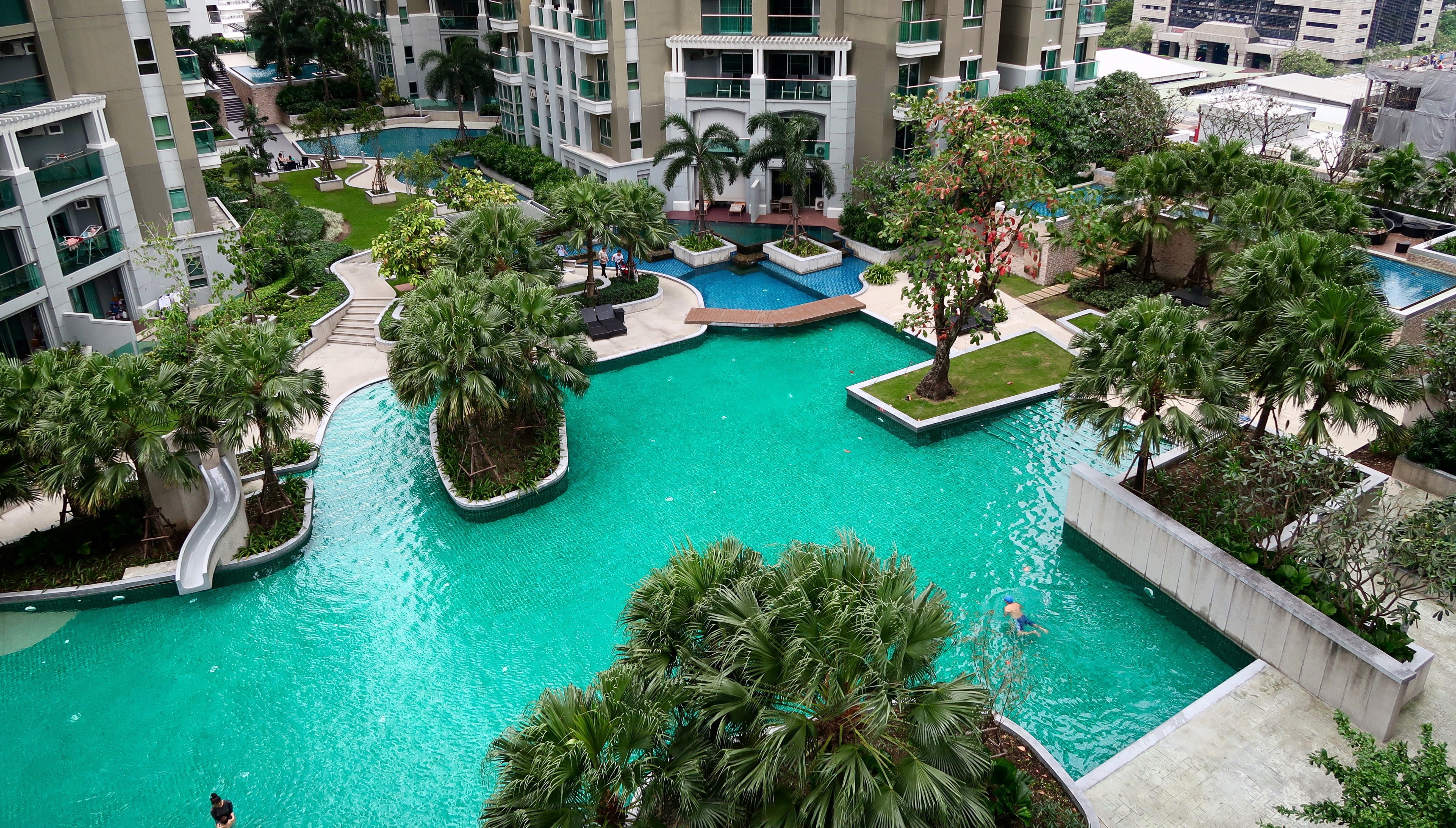
My current apartment (77 m2, two bedrooms, a living room with a kitchen, a small utility room, and a balcony) costs 33,500 THB on a two-year contract. It's one of the nicest apartment buildings in the city, and during the pandemic the price dropped to 26,500 THB. The building also has its own shopping arcade with many other amenities and sits in one of Bangkok's best locations (for living permanently, as there are many better options for tourists).
The price is high for Thailand, but this standard is unattainable in other countries even at many times the cost, so it would be a shame not to take advantage of it. Just look at the view from the window, overlooking the courtyard:
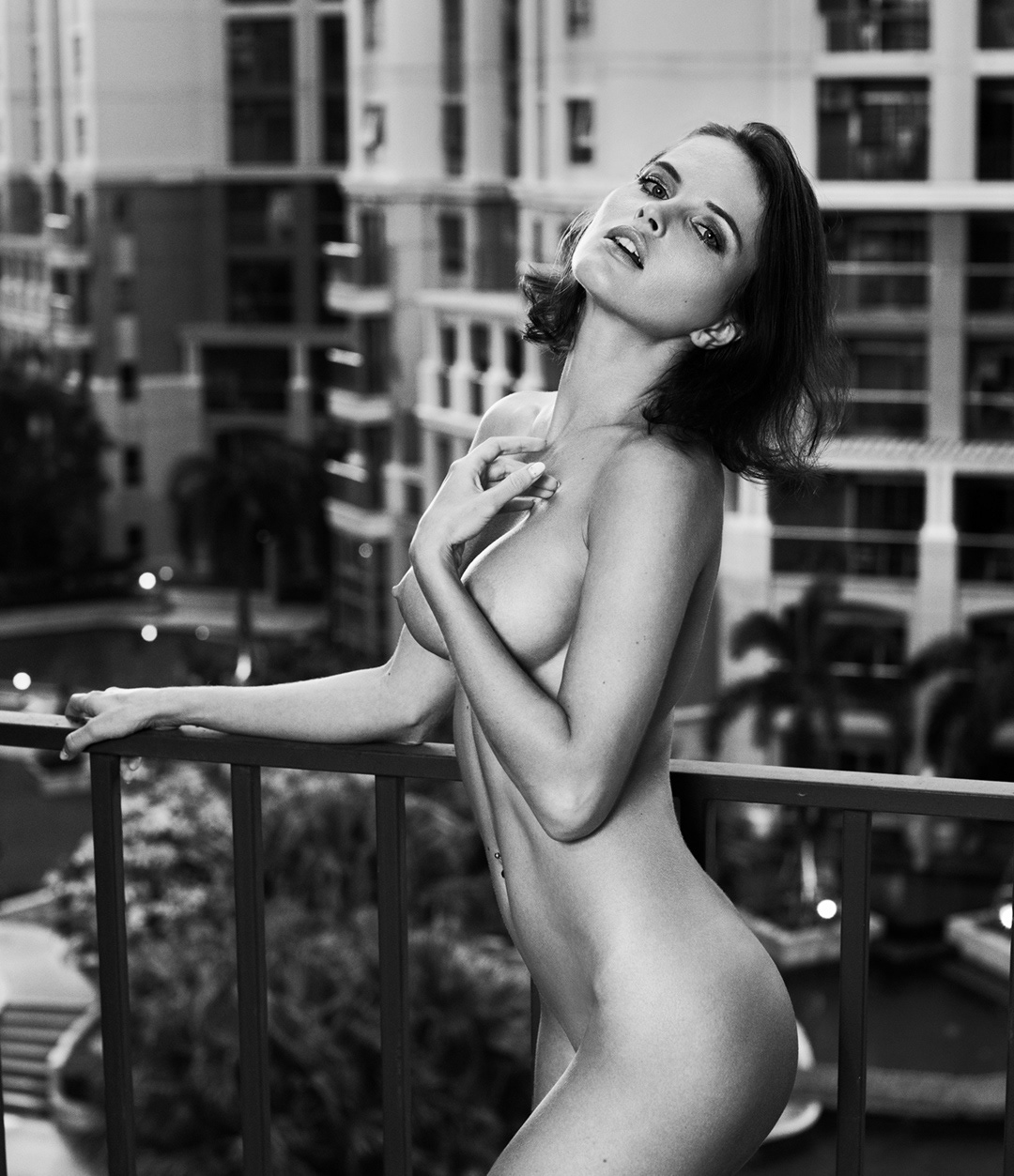
During my photo shoot with Maria, I took a few extra photos on the balcony
So you can spend much less, but you can also spend considerably more because large apartments in places like this cost much more (60,000 THB and up). I'm sure of one thing: if you spend the same amount on an apartment in Bangkok and Warsaw, the standard will always be completely different. The one in Poland will be much lower. That's the best way to think about it. Bangkok isn't cheaper than Warsaw, but it's better.

Every decent place has a swimming pool
Cleaning service is sometimes included. If it isn't, you can order a one-off cleaning. Doing a load of laundry (the washing machines are usually on the ground floor of the building) costs about 20-40 THB plus detergent.
It's hard to compare all of this with conditions in Poland, where the rent usually gets you little more than female neighbors who gossip about everyone around them.
The biggest downside of apartments in Thailand is the bathroom. Its standard is completely out of step with the rest of the apartment, and water goes everywhere when you shower. Thai people seem to have learned about shower enclosures only recently. Fortunately, better places have normal bathrooms with European-style showers.
To find an apartment, you can search listings online, for example on ddproperty (condos) or thaiapartment (mansions), but many rental apartments aren't advertised in English at all. In practice, you only need to walk down the street to find several (or a dozen) Mansions with apartments for rent within a few minutes. It's the most convenient option for your first place.
The video below gives a good look at how apartments are built now (the apartment shown is tiny, but you can also buy units several times larger in the same building). It isn't anything exclusive, just the equivalent of a new apartment block in Poland. The price isn't higher either, and is probably even lower than the same floor area in Warsaw. The video comes from the Przystanek Tajlandia channel, which used to publish other videos showing life in Thailand too.
A few things that characterize Bangkok #1
- Drinks are often served in plastic bags. The bag is filled with ice, the drink is poured in, and you drink it through a straw. These days, though, cups are more popular than bags.
- At stores, the cashier bags everything you've bought. Even a small purchase often ends up in several disposable bags, with refrigerated items, food, cleaning products, and so on all packed separately. I didn't notice the first signs of environmental awareness until 2018.
- If you buy food to heat up yourself (such as a sandwich, sausages, or chicken legs), the cashier will ask whether you want it prepared on the spot (free of charge).
- Noncarbonated energy drinks are available everywhere. M150 and Red Bull are the most popular. They're sold in bottles of around 125 ml and are very popular with taxi and motorcycle-taxi drivers. They're often mixed with alcoholic drinks.
Working in Bangkok
I didn't come here to work locally, only to live. My company is in Hong Kong. I don't have any personal experience with this, but I know quite a bit from friends who work here and simply from the internet. The range of jobs is very limited. If a Thai person can do a job, nobody will hire a white person instead. By law, the employer would have to pay them at least 50,000 THB, arrange a visa and work permit, and prove that no Thai person could be found for the position. The number of foreigners a company can employ is also limited by its capital. As a result, most people start here as English teachers, because that's the easiest job to get. Pay in that position is lower, at around 30,000-35,000 THB per month. On that salary, you can live here without worrying about running out of money for everyday expenses. It may not be a high-end lifestyle, but it will certainly be better than living in Poland on PLN 3,500 after tax. You don't need any special skills or a teaching degree, which is why many young people who have just arrived in Thailand work as teachers. You'll find plenty of information online about working here, but make sure it was written recently. Thailand is introducing major changes, and the plan is for teachers to receive dedicated training. Specialists work in other fields, often sent to Thailand by companies from other countries.
Models in Bangkok
Since this blog, apart from this one post about Bangkok, is devoted entirely to photographing models, I could hardly skip the subject. Models come to Bangkok from all over the world.

Ayaka from Tokyo, the first photo shoot I did in Bangkok. Back then, I didn't yet know that Asian women absolutely had to be shown with the palest possible skin :).
Bangkok has excellent agencies that produce covers for Vogue and many other magazines. WM is the best, but there are other very good agencies too. Wilhelmina/Apple used to be among them, but they've declined somewhat. There are also many other decent agencies (Fame, for example), and of course even more bad ones. But Asia being Asia, the models are mainly from... Europe, the United States, or Brazil (Brazilians are the largest group, followed by... Russians). You do meet Asian models, of course, but it's rare. My first shoot here was with a Japanese woman, but don't expect to arrive for photo shoots and have your pick of Thai models.
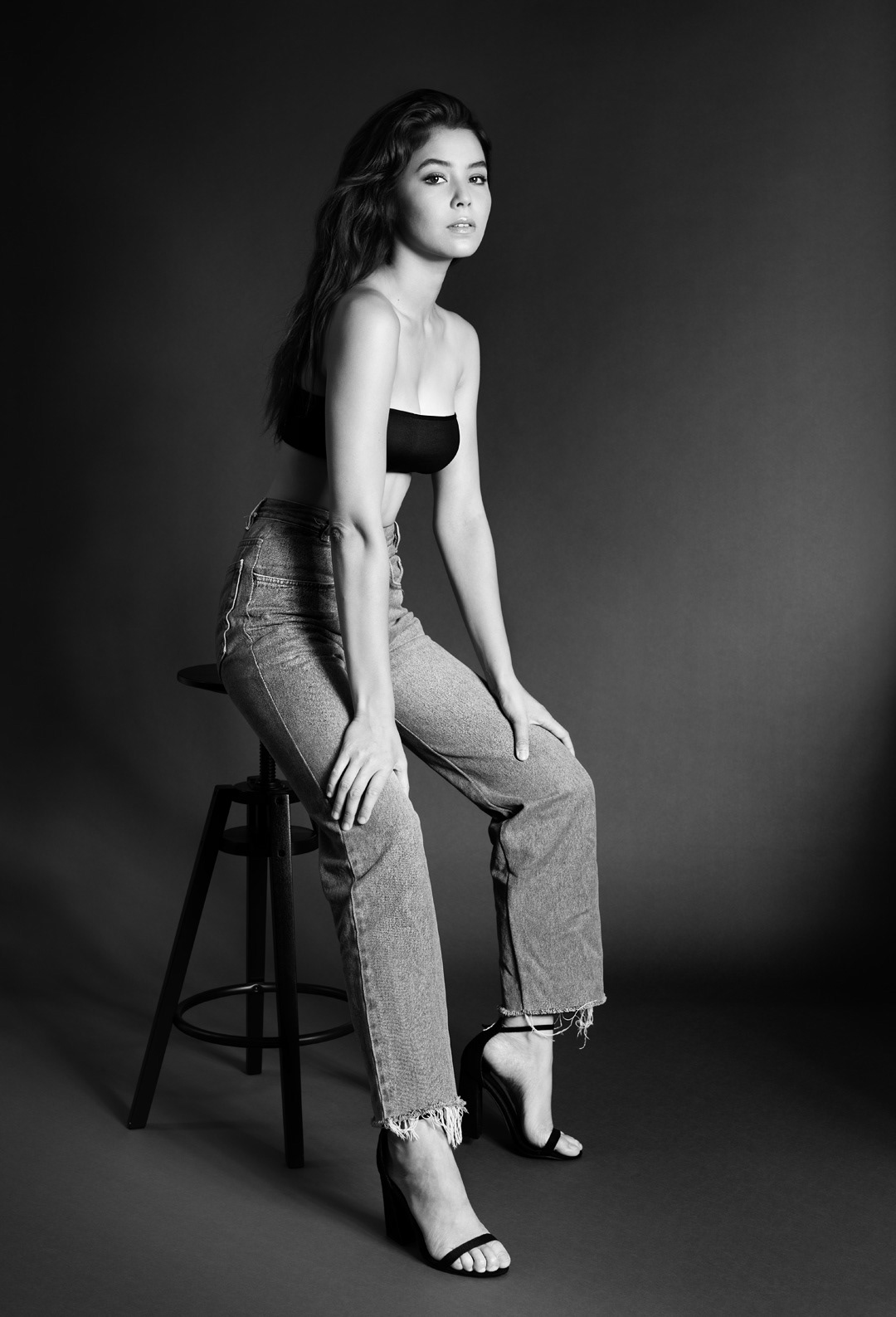
For foreign models, it's an average place. They can earn more in other regions, but it's easy to book magazine shoots here, and living costs are low, especially if they rent their own place rather than use agency accommodation. Once expenses are taken into account, it isn't bad. For building a book, Bangkok is one of the best places in the world, if not the best (top magazines, shoots in excellent locations, productions for companies in neighboring countries, and so on). So even though models can earn more elsewhere, Thailand is a required stop for most of them, and many want to return regularly. Unlike China or Japan, for example, modeling in Thailand can feel like a vacation, with plenty of free time, trips to paradise islands, and so on.
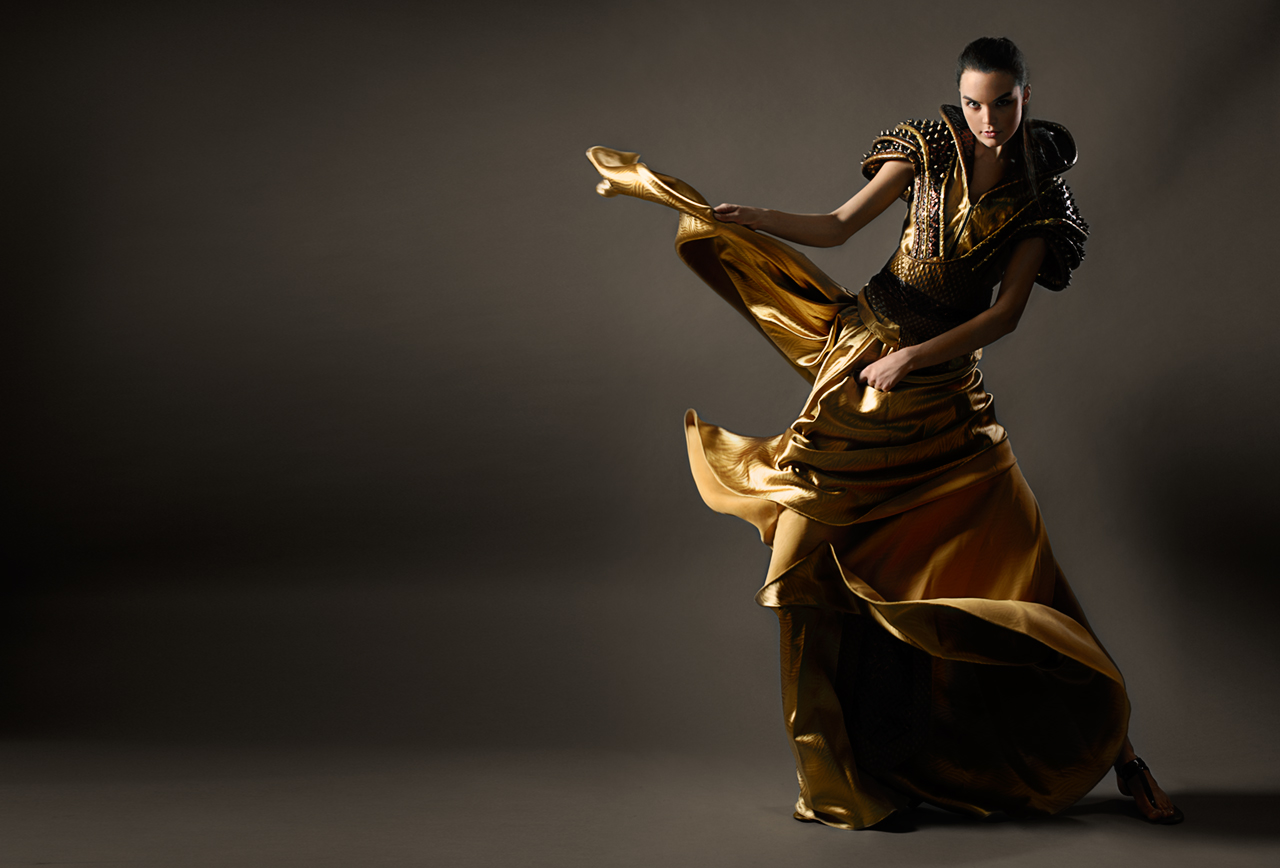
One of the photos I took of a Polish model (Natalia Hajduk) in Bangkok.
The best time to make money modeling in Bangkok is the beginning of the year (work slows down at the end of April, as it does in the second half of December). There aren't many castings. The women I know average two a day. If you're a model heading to Thailand, you can contact me on Instagram.
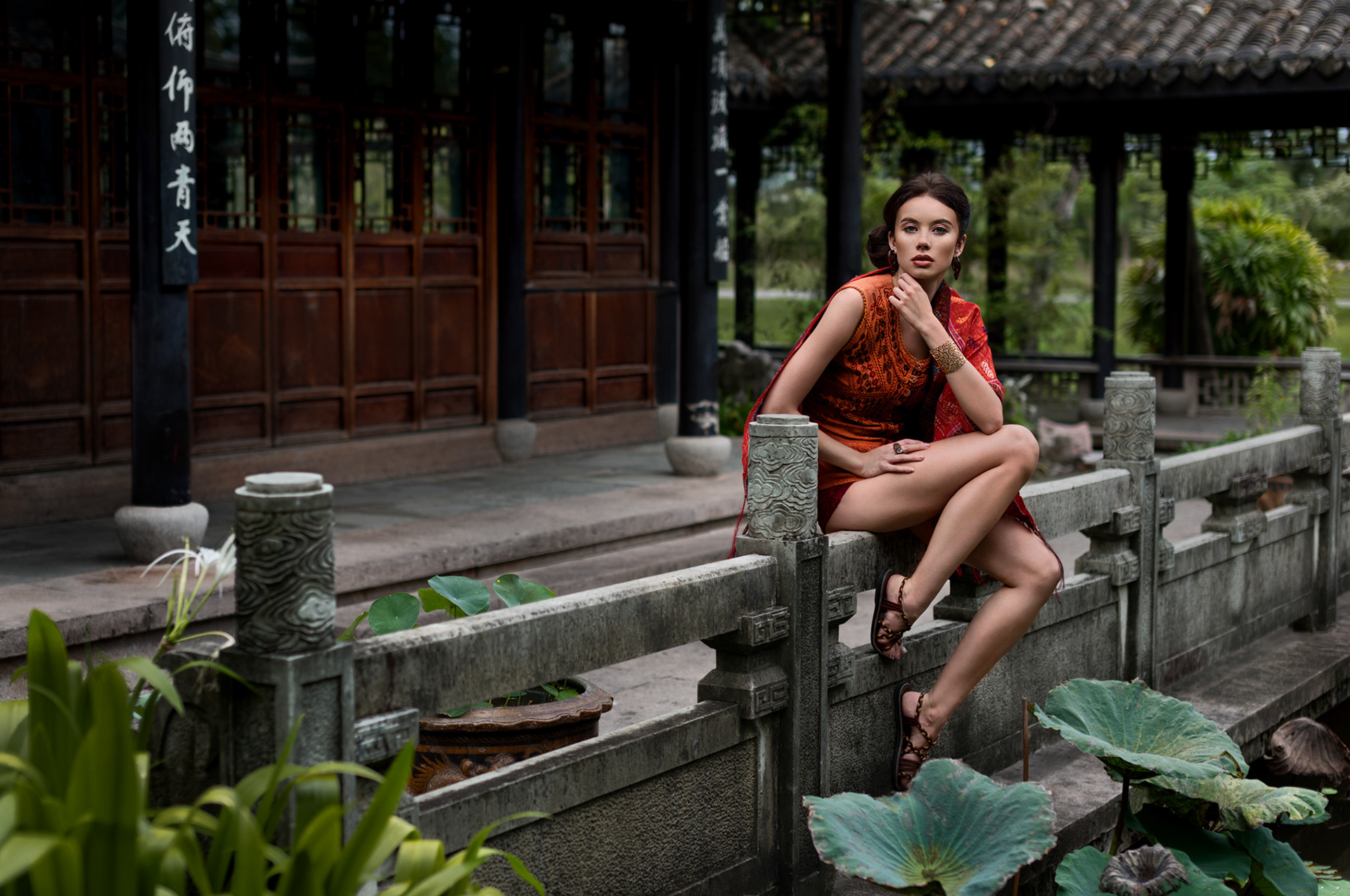
Another Polish model I photographed, Alex
Modeling trends have changed since I moved here. White women with Asian features used to be in very high demand, but far more mixed-race models work now than before (women who are half Asian).
Thai women aren't always beautiful
Thailand has a reputation for having incredibly beautiful women. It's the world's sex-tourism capital, so it's hardly surprising that most men want to spend at least a week here. There's no denying that casual relationships are incredibly easy to find in Thailand, but looks are another matter. Maybe working with models has distorted my perspective, but as I see it, most Thai women are simply unattractive. Of course, there are very beautiful women too. Several of the most beautiful women I've ever seen were Thai. You shouldn't expect every woman you see to be gorgeous, though. Forget what you see in Asian advertising, television, or magazines. Every Thai woman there is beautiful and pale. Reality is completely different. Those women are only a tiny fraction of the population. Facial features largely depend on which region of Thailand a woman comes from (Thailand is also home to many people from Laos and other nearby countries, while pale women generally come from wealthier families). Every Asian woman wants fair skin. All cosmetics available here block UV rays, and many have whitening properties. There are also special skin-lightening treatments. As a result, you won't see young women here with their natural skin tone. It's understandable. All over the world, women wanted the palest possible skin because a tan was associated with physical labor in the fields and indicated low social status. For some reason, some people use tanning salons (obviously not in Asia), but I'll never understand that, and fortunately it's extremely rare in modeling. Thai women want small lips, and the beauty ideal in Asia is generally different from the one in Europe.
There's one more issue. When you see a pretty, tall woman with large breasts, she often... isn't a woman. The third gender is completely natural here. You meet ladyboys everywhere, and advice about looking for an Adam's apple and so on belongs with the fairy tales of the Brothers Grimm. It's best to ask directly and not accept an evasive answer. At first glance, then, there really are a lot of pretty women, except they aren't necessarily women... There are also many Toms, lesbians whose clothing and other traits are more commonly associated with men. Here, unlike in Poland, it's immediately clear, because every tomboy (and only a tomboy) has the hair at the back of their head shaved short.
A few things that characterize Bangkok #2
- There is no escalator etiquette here. People stand on the left too, but it doesn't seem to bother anyone. Thai people are extremely lazy, and few would even think of walking instead of standing (except perhaps on subway stairs). As a result, if a Thai person has to travel 400 meters down the street, they'll probably call a motorcycle taxi and ride that distance.
- Taxis are everywhere and very cheap, but the driver decides whether to take you. They may refuse if the trip is too far, the destination is congested, or their shift ends soon. Drivers refuse very often downtown. Fortunately, there are usually at least three more taxis within a dozen or so meters.
- The electrical system is straight out of the third world, with dozens of cables on every pole, sometimes hanging low enough to touch (they're insulated). Outlets have room for three prongs, but only for compatibility with other plugs. There is no ground. Thai plugs fit, and Polish ones do too.
- Fruit vendors are everywhere. They move between streets and stop in busier places, or simply have a permanent spot. The fruit is kept on ice and served ready to eat: peeled, cut, and packed in a bag. It costs very little.
- If you buy three prepared puddings and four drinkable yogurts, the cashier will put three spoons and four straws in your bag. You can also get a serving of ketchup or mayonnaise with sausages and other dishes.
Getting around the city
I definitely couldn't function without a car in Poland. Here, living close to downtown, I see no point in buying one. Taxis are everywhere and very cheap (35 THB for the first kilometer plus 5 THB for each additional one, with a small charge for time spent in traffic). If you don't speak to the driver in Thai, they may “forget” to turn on the meter (remind them by saying "miter") or immediately quote a price that is never worth paying. Your home address is the bare minimum you need to be able to say in Thai because many taxi drivers don't understand English. If you hand over a business card with the address, the situation is obvious: they've found a tourist.

A very popular and fast form of transportation is the motorcycle taxi. I think I've ridden too many kilometers on motorcycles to choose that voluntarily. It seems every Thai woman I've met has some scars from accidents. When you get on one of these scooters, you either have no helmet or receive something that looks more like a toy than real protection. I have no problem riding a scooter or motorcycle. In fact, that's almost the only way I get around the city now. Riding as a passenger, though, is absolutely not for me. There are also tuk-tuks, three-wheelers with an open cabin. You agree on the price in advance. They can be much cheaper than a taxi, but be careful when getting into one downtown. Drivers hoping to find naive tourists often quote heavily inflated prices. You also need to say you want to go "direct," or the driver will take you to a jeweler and a tailor before finally going where you asked (it's always cheap that way, but wastes time). If you prefer public transportation, you can take a bus (around 8 THB per route), the MRT (subway), or the BTS (Skytrain), which runs above the city.
Traffic drives on the left, and the rules should be treated more like suggestions. Drivers pass on either side, and sometimes they drive against traffic. Traffic is extremely heavy, so it's normal for cars stopped at a light to let a dozen or even several dozen scooters move in front of them, making room for them to pass. If drivers behaved as they do in Poland, traffic at this volume would be completely impossible. You cross the street between cars, and the drivers don't mind. I've accidentally blocked traffic while walking down a narrow street, and the driver didn't honk to get my attention. They simply waited until there was room to go around me. In Poland, you'd either hear the horn ten blocks away or I'd end up on the hood of the car. Honking is generally impolite in Thailand (a quick tap on the horn is OK, but drivers often wait calmly anyway).
Internet
When I moved in, I wrote that the internet situation was poor. Access was available everywhere, but the speeds weren't impressive. It's much better now. I have 200/50 Mbps, which costs around 1,100 THB as part of a package with cable TV, a mobile phone, and unlimited Wi-Fi around the city. The best offer I've seen so far is 1 Gbps.
I recently wrote a separate post about the internet in Thailand, including how mobile service works and so on: Internet in Thailand: how it compares with Poland and what you should know on vacation, etc.
Visa
In short, almost everything you read online is obsolete because the rules changed in mid-2014, or rather, the existing rules began to be enforced. More changes followed. Tourists from Poland have no problem: one month without a visa plus the option to extend for another month, or a single-entry tourist visa providing a two-month stay plus the option to extend for another month. There's also a multiple-entry tourist visa, but the requirements keep increasing, and it's used mostly by people who live here permanently.
So what about living here permanently? Teachers and other salaried employees receive a work visa, which solves the problem. People like me, who earn their money abroad, have it worse. Thailand doesn't have a ready-made solution for us, so you have to improvise. The easiest option for me is to get a tourist visa with unlimited entries. It's valid for six months, which in practice allows a nine-month stay in Thailand, interrupted by a trip abroad every three months. That works as long as you want to visit other countries. The problem for many people is that you need to own a company outside Thailand (or be employed in another country), have at least PLN 20,000 in your account for the previous six months, and, for a Polish citizen, the only place to get this visa is Poland. Those requirements also have a huge advantage: they document in advance that the person can afford to live in Thailand without working locally. Officials had no such evidence before, so when someone arrived on a tourist visa several times in a row, they began to suspect that the person was working illegally in Thailand. There was even a period when such people were turned away at the border. A single-entry tourist visa is easier to obtain, but it allows a stay of no more than three months. If you keep using only those visas, an officer may eventually take issue with it.
An education visa is another good solution, giving you about a year of peace. At least in theory, because some schools require exams and attendance, while others handle everything for you. I spent a year at one of those, then another 15 months at a university, followed by another year at a different school.
If you stay without a visa, you pay a fine when leaving (up to 20,000 THB), and an inspection can result in deportation. If the overstay was long, you won't be allowed back into Thailand for a while (the duration depends on the length of the overstay).
To live here without complications, you need a work, business, marriage, or retirement visa (the official names are different, but that's what people call them). You can also get an investment visa, which requires a substantial amount of cash intended for something like buying a luxury apartment in Thailand. Another option is to buy an Elite Card for 500,000 THB, which comes with a five-year visa (you only have to report to immigration for an extension once a year, or cross the border). The 20-year option for 1,000,000 THB is better value, though. The Elite Card also comes with extra privileges, but the visa is the important part. There are several more business-related options, but except for the Elite Card, all of them involve a lot of bureaucracy.
Vaccinations and insurance
There are no mandatory vaccinations for a trip to Thailand. You don't really need anything special for Bangkok, but vaccination against both types of hepatitis, typhoid, polio, and diphtheria is recommended. There is no malaria in Bangkok. I decided I wasn't coming here without vaccinations. During COVID, Thailand introduced very strict rules with mandatory quarantine, which kept the country almost completely free of the pandemic for a very long time.
For years, I was insured through Planeta Młodych, which never let me down and handled everything without requiring payment up front. I always said I wanted to be admitted to Bangkok Hospital, and that's where they sent me (even though it's the most expensive option in the country). When a several-day observation stay there was considered, they confirmed they would pay for that too and handle it cashlessly. I didn't end up using it, which is almost a shame because the hospital has more in common with a good hotel than a normal clinic. Planeta Młodych was very popular among Polish people living in Thailand because for years the insurance cost PLN 60-110 per year (PLN 90-150 for people over 38). I didn't drop a zero. Yes... per year. Unfortunately, the terms have changed, and prices for Thailand have risen several times over. It's still one of the best options because it remains valid for six months after leaving Poland, rather than one month like most policies. It no longer works for people like me, though, so I had to switch to nomad insurance from "Safety Wing", though I haven't yet had a chance to test it in practice.
Shopping
I've covered buying food, so now I'll discuss shopping more broadly. Unfortunately, online shopping is still very underdeveloped in Thailand. There is no Amazon, eBay works about as well as it does in Poland, and I don't know of an equivalent to Allegro. When I order something specific, it usually comes from abroad. You have to expect that the goods may be stopped by customs.
Shopping in person is completely different. There are plenty of small, 24-hour stores where you can buy all the basics, mainly food, but not only that. For more substantial shopping, people go to supermarkets such as Tesco Lotus and Big C. They can be small or enormous, so when I have a choice, I go to the larger ones where everything is in one place. A single building also often contains several big stores, or several such buildings stand next to each other.
When I want to buy electronics, I go somewhere like Fortune Town, Bangkok's largest electronics mall. It's on the same street as many other shopping malls. Fortune has several floors packed with phones, tablets, cameras (and photography gear in general), computers, and audio accessories. A Polish mall such as Złote Tarasy or Silesia may have one iSpot. At Fortune, you can find several Apple stores on almost every floor. Fortune has many specialist stores, including ones that sell only vinyl records, projectors, headphones, and so on. For photography gear, many stores are also located on one of MBK's floors.
In another part of the city is Pantip Plaza, another electronics center, though this one is more like a market hall where most stalls focus on all kinds of cheap goods, often counterfeit. You'll find Beats in every possible color combination, including ones even Dr. Dre would never have imagined. Prices vary, as does the quality of the fakes, but they're always many times cheaper than the originals. I think buying counterfeit electronics makes absolutely no sense. The latest iPhone before its official launch? No problem, but the speed immediately tells you it's Android with a skin that looks like iOS. The latest iPad for 2,000 THB (PLN 200)? Also no problem, but it probably doesn't share a single part with the original. Counterfeits aren't the only products sold there, of course. The top floor consists entirely of official brand stores, and you'll find plenty on the lower floors too. On a first visit, you can feel lost when you see how much there is. Anyone who doesn't know the subject but wants good equipment should avoid places like this. People who know what they're looking at will love them.
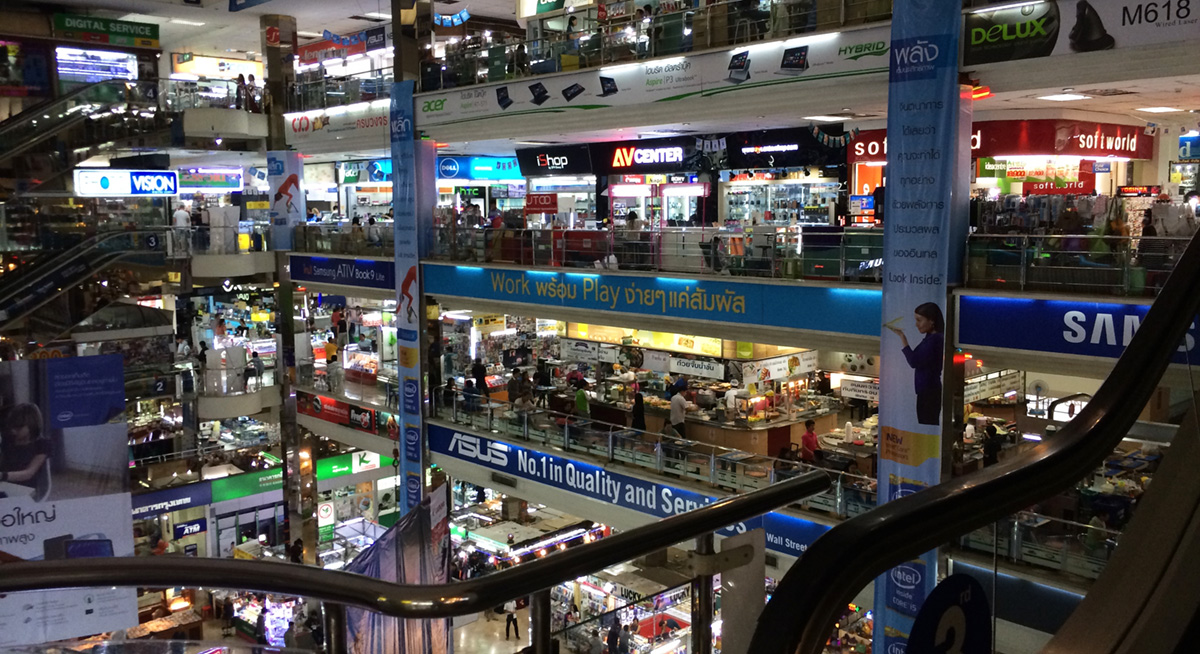
Pantip Plaza, an electronics market hall in Bangkok
There is no shortage of clothing stores either, but I rarely visit them. I do love Chatuchak, the world's largest market. About the only things I haven't seen there are electronics such as consoles, televisions, and so on (that's what the previously mentioned Pantip Plaza is for). With everything else, it's a little like Google: if it isn't there, it probably doesn't exist. The problem is that the stalls are arranged with no order at all, and you can find something only by accident. There are small exceptions. Aquarium and fish stores, for example, line one street. Dogs, other pets, and their accessories are also largely concentrated in one place, while food is outside along the main avenues. Everything else is a lottery. If I added up the time I spent looking for one specific shoe stall, it would come to at least 20 hours across several visits.

Map of Chatuchak in Bangkok

Entrance to the subway in Chatuchak Park
What's worth buying?
Definitely all kinds of clothes. A T-shirt usually costs around PLN 10-20, and PLN 30 is already extravagant. Pants cost PLN 30-80. Women's clothing is cheaper than men's. Clothes from expensive foreign brands cost the same as in other countries; only the counterfeits are cheap. A fake Adidas product here won't be called Adidos or Addidas. The logo and name will look exactly like the original, so you have to be careful not to buy a counterfeit product. Even the worst-quality boxer shorts will have a Calvin Klein logo (or any other one you choose, because the same model will be available under every famous brand).
Some electronics are cheaper than in Poland, while some are more expensive. Apple computers are much cheaper in Thailand (PLN 8,600 vs. PLN 11,500 for a higher-spec MBPr), though still not as cheap as in the United States. The same applies to iPads, iPhones, and everything else from the company, so I sold all my equipment in Poland and bought replacements in Bangkok. That let me upgrade everything to the latest generation without losing money. The projector was completely different. Even though there are stores specializing in them here, my model was about 40% more expensive in Thailand, so I brought it from Poland. Cameras and lenses are like Apple products: much cheaper than in Poland, but still not quite at American prices. For example, a Nikon D810 at an ordinary store cost about PLN 11,000 on launch day (compared with PLN 14,000 in Poland), and you could save much more on a D4s. Photography accessories are cheaper too, including reflectors, modifiers, and anything useful in a studio. Naturally, a lot depends on where you buy. At MBK, you shouldn't expect bargain prices, and the differences between stores can be enormous.
VAT is 7%, and you can reclaim that amount at the airport if you leave within two months of the purchase.
Summary
For me, Thailand is probably the best place on Earth right now, though that may be because I don't yet have millions of PLN in the bank. The ratio of cost to standard of living is excellent, and I suspect it's the best in the world. There are beautiful islands outside the capital too. The famous Pattaya, on the other hand, was a huge disappointment. There were more Russians than Asians (they even have their own town next to Pattaya), though most left after the ruble fell. It's a purely tourist destination. After reading opinions online, I wondered whether I should fly there instead of Bangkok. Fortunately, I didn't. I couldn't stand it for even a week, though it's fine for short trips.
Back to Bangkok. People have a very positive attitude. If someone asks whether you have a problem, it's only because they want to help solve it (though when you're used to the dysfunction common in Poland, it's difficult to adjust at first). It's very safe here, although theft does happen (a motorcyclist may ride up and snatch a purse, for example). You can still walk into the darkest alleys in the middle of the night without worrying (though women may have a different opinion on that). The culture here is completely different. Everything is handled with a smile. Research clearly says that smiling works in both directions: it's a signal from the brain that everything is fine, but also a signal to the brain, which is why even a fake smile has a positive effect on your mood. Maybe that's one reason Thai people have such a positive attitude? I may have different experiences after more time, but so far there is absolutely no sign of that happening, and more than five years of living here is hardly a short period.
Follow-up
Here you'll find the follow-up, which doesn't cover prices, shopping, and so on, but focuses more on what it's actually like to live here: Bangkok after 3 years of living there.
P.S.
My move to Bangkok was also discussed in this interview.