Beauty and fashion gear, part 1: camera and lenses
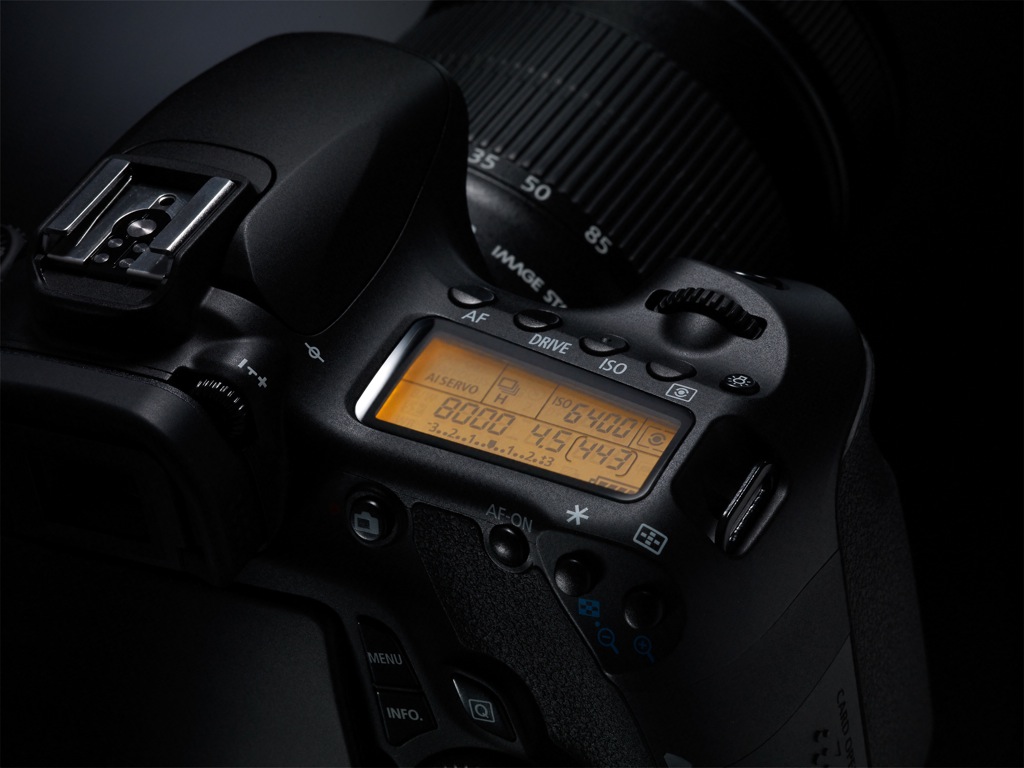
Since I started this website, I've received plenty of questions about equipping a first studio: which lights, modifiers, lens, and so on. I decided to write about what helps me when taking photographs and what everyone should have in a small studio. This will be highly subjective, but if you're interested in the same particular area of photography as I am, I think it may prove useful. The whole thing eventually grew quite long, so I've divided it into two parts. Today is the first one, about cameras and lenses. Anyone already familiar with the subject probably won't find anything they don't know. The second part will cover what I consider much more interesting: modifiers, lights, and everything else found in a studio.
Which camera should you buy?
Starting with the absolute basics... The biggest dilemma appears when buying your first camera. At that point, you usually have no idea what you want beyond the fact that it should be a DSLR. That assumption makes no sense because the mirror itself has no effect on image quality and brings numerous disadvantages. Unfortunately, for now there are no mirrorless cameras that make photography as convenient as semi-professional and professional DSLRs (update: there are now, including the excellent Sony A7R II). I suspect a great deal will change within three years at most, but so far manufacturers have targeted ordinary consumers who expect portability rather than capability. That's not what I'm writing about today, though. If effortless operation doesn't matter much to you (changing every setting without taking your eye away from the viewfinder, for example), nor does the option of moving to full frame and similar features, a mirrorless camera will be entirely sufficient. My website, however, is aimed mainly at people who want to get deeply involved in beauty and fashion photography. For them, unfortunately, DSLRs are still the best choice for now.
Forget claims such as “Nikon makes good cameras, while Canon takes good photographs,” or that one gives good colors while another gives terrible ones. The latter is nonsense repeated by people who can't handle post-processing. I covered it at length in “Colors in photographs: natural skin tones.” It matters if you photograph in JPEG, which you usually simply don't. Photographs should be made as RAW files. No exceptions. I've processed images from almost every kind of camera and don't see a problem. If there is still a problem, it certainly isn't in the cameras but in users who haven't mastered RAW processing and retouching.
The various classes of camera differ considerably, but in beauty and fashion, those differences are largely irrelevant. Autofocus speed, burst rate, an articulating screen, video, and all the other features that keep improving usually don't matter.
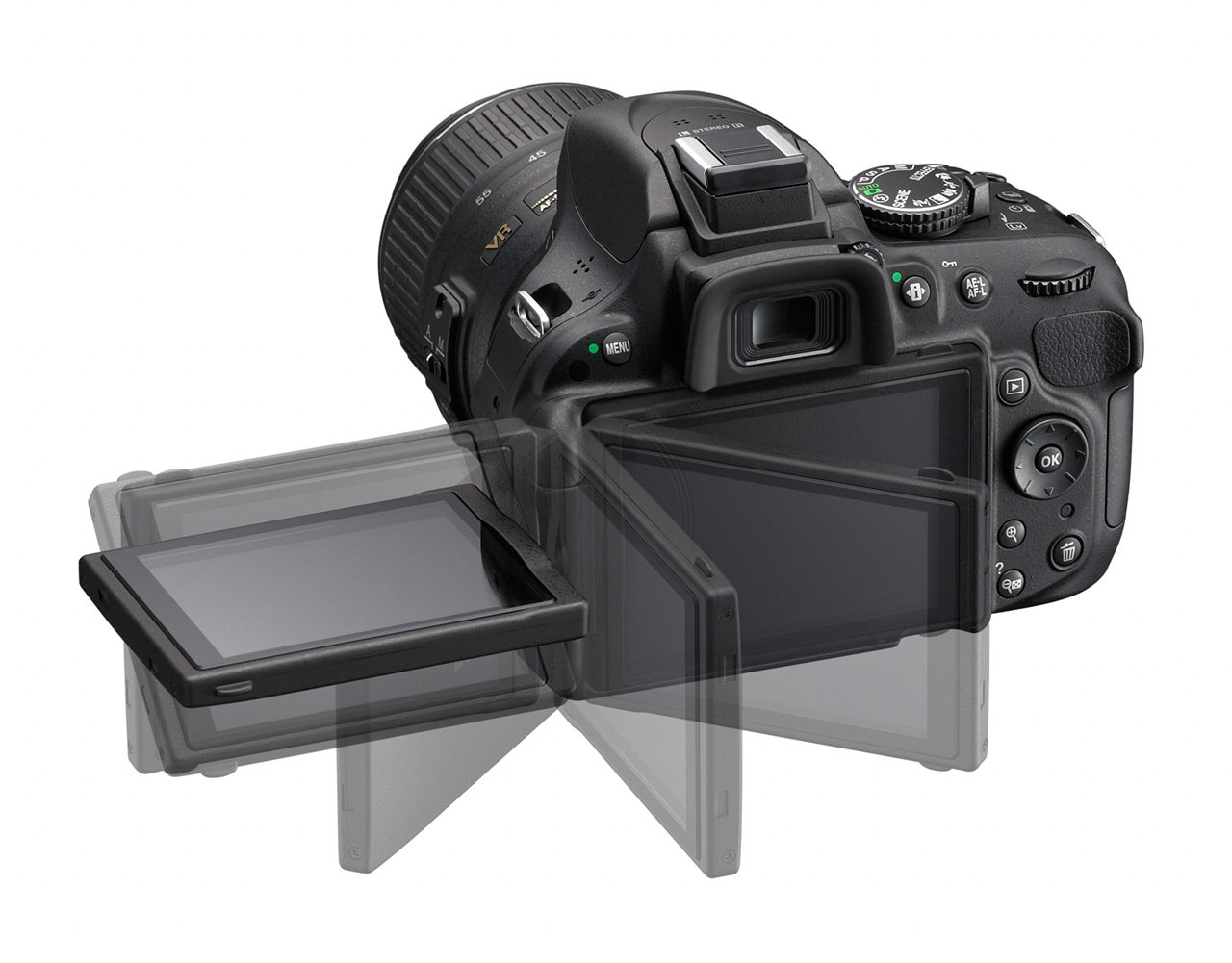
Image quality needs to be good online and in standard prints, and almost every model currently on sale will provide that for the vast majority of people. The experience of using the camera, however, can differ enormously. With the cheapest models, you need to enter a menu to change almost anything. They have small, dark viewfinders that show very little. The body is uncomfortable to hold, there are few autofocus points so you need to reframe more often, there's no top display, and that's only the beginning. Anyone accustomed to a decent camera will struggle with an amateur model, even though its image quality can be very good. If it's your first camera, however, none of this will probably bother you. If it eventually does, you can always move to a higher model while keeping the same lenses and accessories.
I won't name a specific model you should buy. I'll only say that I could comfortably make my photographs with an entry-level Nikon, Canon, or Pentax from several years ago. The quality online would be entirely sufficient. I'd be furious every time I picked it up, though. Getting used to better equipment has its consequences. Someday I'll do a shoot with a mobile phone to show a few skeptical people what level of photography is possible with equipment that is theoretically poor. Anyone who knows even a little about photography understands that an image is made with light, and in this kind of photography we have complete control over it. This isn't wedding photography, where high ISO is necessary and every camera generation lets you shoot in worse conditions.
Which brand?
It doesn't matter to me. Today, Nikon has the best body for my purposes, the D800E, so that's the company's camera I'd buy. Next year, Canon or Sony may release something better, and probably will. You should pay attention to lenses because they have a major effect on image quality and stay current for much longer. The lens I use for beauty has been on sale for more than 15 years and still has no successor. It's difficult to count how many generations of camera bodies have passed in that time.
Until recently, Pentax lagged behind because it had no full-frame body (it does now). It had offered medium format for a long time, but medium format requires replacing every lens with one designed for such a large sensor anyway. One advantage of the brand is that even its entry-level models work with a huge number of M42-mount lenses, which are very inexpensive, while retaining light metering and focus confirmation.
Megapixels
In my opinion, megapixels make almost no difference in most cases. Every current model has far more than necessary for publishing online. There's enough for A4 and A3 prints too. When I photographed motorcycles or made event reports, the six megapixels available at the time were more than enough for the internet. Everything depends on your needs, however.
For the model photography I do, an excess of pixels is a substantial advantage. Leaving aside quality in large prints, a high pixel count makes extreme close-ups much easier, particularly beauty shots where almost the entire frame is filled by eyelids or lips. From a little over a meter away, you can take the photograph with the same lens used for normal beauty work and crop it. The resulting photograph will still contain plenty of detail. With 12 megapixels, I had to mount extension tubes like those used in macro photography to shorten the focusing distance. That let me move closer and fill more of the frame with the detail I was photographing. Otherwise, an eyelid would occupy only a small part of the frame, leaving insufficient quality for print after cropping. Moving so close also causes perspective distortion. Eyelids become much rounder, the nose protrudes strongly, and so on.
As if that weren't enough, the shorter distance drastically reduces depth of field, so you need to stop the lens down. That demands much more flash power and complicates everything. Instead of taking the photograph in ten seconds with the same setup previously used for the whole face, I lost much more time.
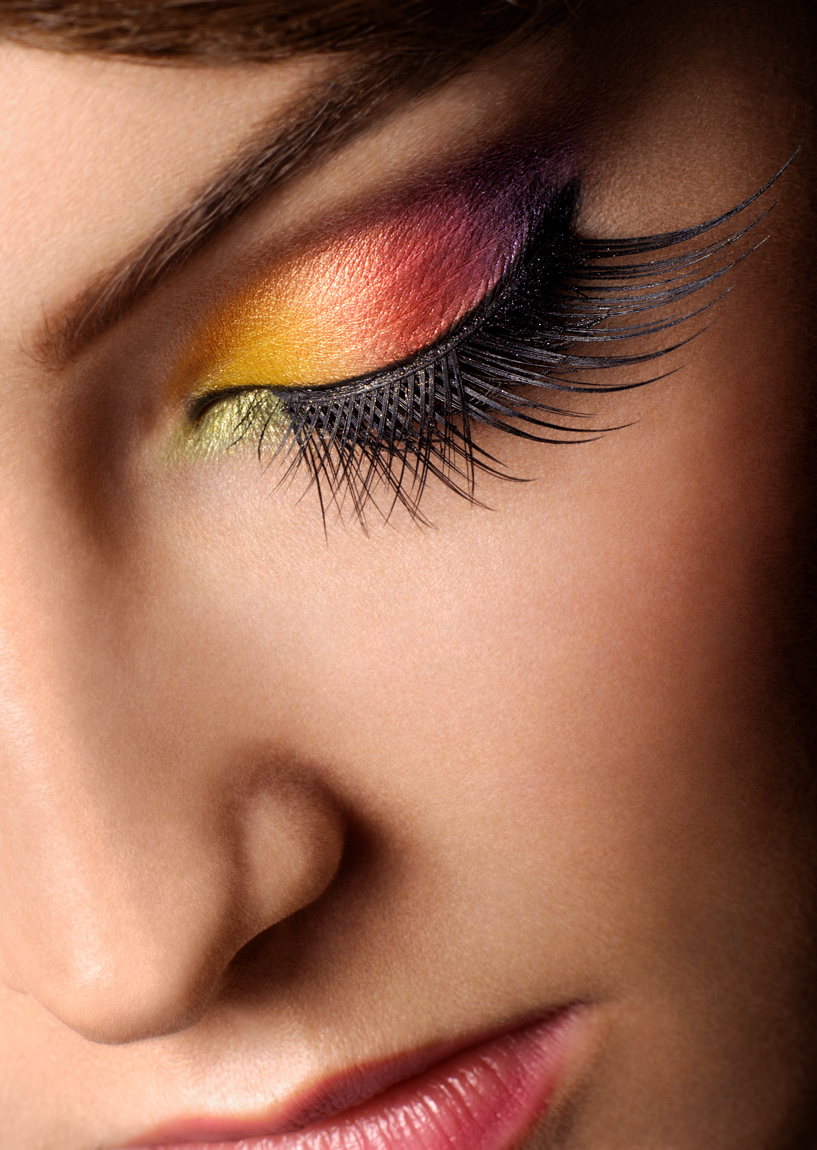
Problems begin even with fairly modest close-ups.
If you do commercial work, those pixels become even more useful. What happens if a client orders photographs for a magazine and later decides they'd be perfect for enormous banners that people will view from close range? If the image is large enough, you simply sell an extended license covering additional uses and the matter is settled. People who do such work obviously know this, but this article isn't aimed at them.
Current monitors also have low resolutions. There's an enormous gap between the pixel density of screens and paper. Mobile devices are different: an iPad has 264 pixels per inch, or ppi. Sooner or later, desktop and laptop displays will reach similar levels of detail. I've been using a UHD monitor for some time, and once such screens become common, photographs published online will be much more detailed. We're still a long way from that equipment becoming standard, but one thing is certain: someday we'll publish online at resolutions several times higher than we do now. Large sensors will be even more useful then. I'd call it the distant future, but when I think about how much has changed in the last two years, I'm no longer sure it's so distant.
The argument that files from densely packed sensors occupy a lot of space doesn't persuade me at all. So what if they're large? Multi-terabyte drives are widely available, and buying another isn't a problem. If someone claims that's a major expense, I'll laugh, because next to the cost of the camera body it's negligible. The same applies to memory cards, and you don't need many. With a 36-megapixel sensor, one 16 GB card would easily last me a full-day shoot, probably several.
Lens

Photograph by Stephen Eastwood
It's a shame the hairstyle in the photographs above covers the ears. If they were visible, the difference would be even clearer. The closer the photograph, the farther the ears would disappear behind the head until the person appeared to have none at all.
That's why 135mm is the most popular focal length for beauty photography, or 85mm on cameras with an approximately 24 x 18 mm APS-C sensor, which includes all amateur DSLRs and some mirrorless cameras. When a face fills the entire frame, this focal length preserves the right proportions. Some photographers use 85mm or even 50mm on full frame without a problem, but a truly tight shot that fills the frame requires getting close enough to introduce distortion that personally bothers me.
Lens speed doesn't matter for beauty. You use narrow apertures anyway. I usually work between f/9 and f/12, while f/5.6 is exceptionally wide. Portraits are different, but I don't take portraits. I wrote about the difference between beauty and portrait photography here.
There are effectively no rules for full-length photographs. Perspective distortion can often be an advantage because it makes the image look more dynamic. Some people prefer the longest possible focal lengths; others prefer wide angles. Unlike beauty work, very wide apertures can be useful here. My ideal full-frame kit would be 35mm plus 50mm, and 135mm for faces. I absolutely wouldn't replace the last one with 85mm, but that's because I take many tight shots. On an APS-C camera, I'd choose 18mm, 35mm, and 85mm. The first two would be for full-length images and the last for beauty. I'm mentioning primes only because I see no reason to use zoom lenses for this kind of work.
There is still the dilemma of whether to buy a lens of a given focal length for X or a version several times more expensive. The rule is simple: buy the most expensive lens you can afford. It doesn't matter whether the range is PLN 20–50 or PLN 4,000–8,000. Later, buy a second lens, exactly the one you need, still following the same rule. If you need to ask someone which focal length to buy, that means you don't need to buy any lens. If you did, you'd know exactly what was missing and choose it.
Summary
Today's article was deliberately general, without naming particular models or manufacturers. That's because the choice is highly individual, and this type of photography doesn't demand much from the camera. The problem begins when you want to take photographs like mine, photograph squirrels in the woods on Sunday, shoot volleyball players in a nearby sports hall the next day, and record a film starring your child that evening. Then you'd need to multiply the amount I'd spend on equipment. As long as you stay within one field, the choice is simpler and the cost much lower.
*The photograph at the top of the page came from egyptography.com.